
+86 138 5268 5691 13852685691@163.com
Reply within 12h·24/7 Multilingual Sales
English English
Titanium Alloys

TB2 Metastable Beta Titanium Alloy

TB2 Metastable Beta Titanium AlloyTB2 is a Chinese metastable β-type titanium alloy of nominal composition Ti-3Al-5Mo-5V-8Cr. In the solution-treated condition it is soft, ductile and readily col

Back to All Products Titanium Alloys

TB2 Metastable Beta Titanium Alloy

TB2 Metastable Beta Titanium AlloyTB2 is a Chinese metastable β-type titanium alloy of nominal composition Ti-3Al-5Mo-5V-8Cr. In the solution-treated condition it is soft, ductile and readily col

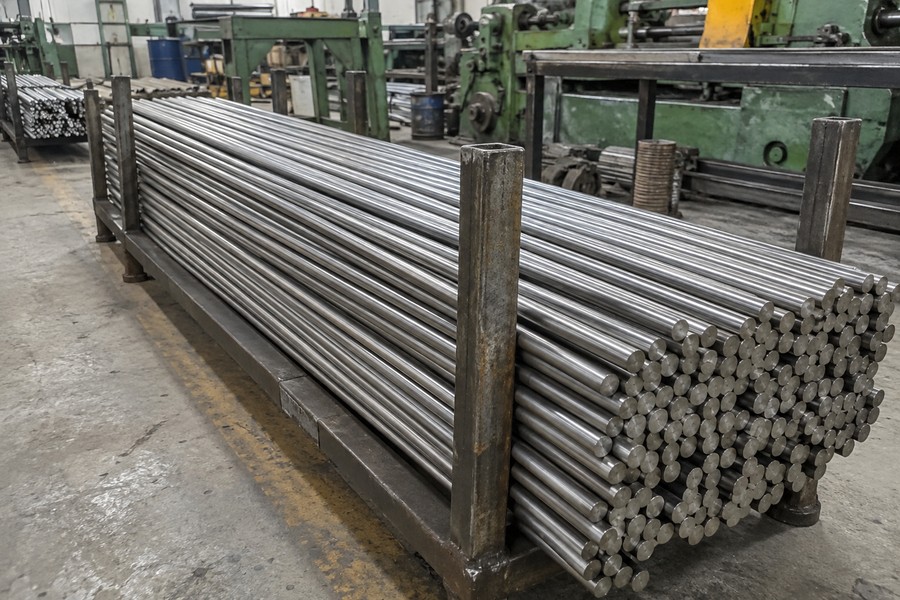
  • Bars
  • Plates
  • Tubes
  • Forgings
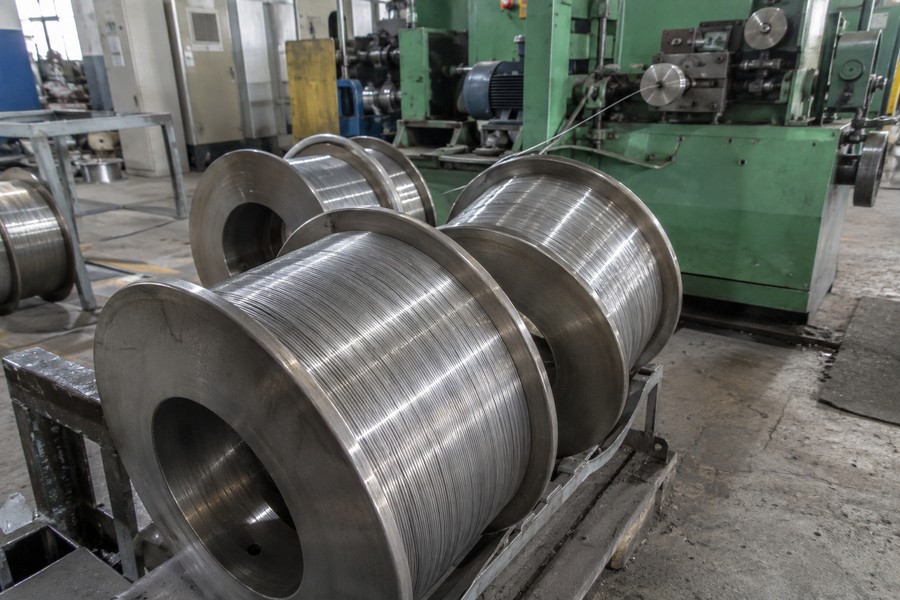
  • Wires
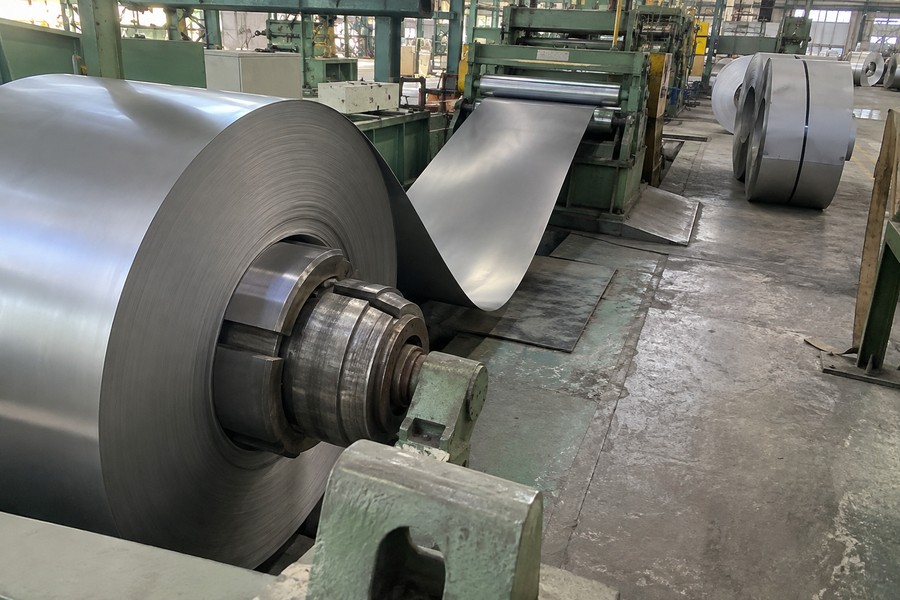
  • strips
  • Special Shapes

TB2 Metastable Beta Titanium Alloy

TB2 is a Chinese metastable β-type titanium alloy of nominal composition Ti-3Al-5Mo-5V-8Cr. In the solution-treated condition it is soft, ductile and readily cold-formable, and after ageing it reaches very high strength (≥ 1300 MPa) with good toughness, fatigue strength and corrosion resistance — a typical high-strength fastener and aerospace spring / housing material.

Overview

  • Material: TB2 — metastable β titanium alloy
  • Nominal composition: Ti-3Al-5Mo-5V-8Cr (near the Beta-C family in behaviour; verify against mill spec)
  • Available forms: Bar, wire, plate, strip and forgings

Chemical Composition (wt%)

ElementTiAlMoVCrFeCNHO
Content Bal.2.5–3.54.7–5.74.7–5.77.5–8.5≤ 0.30≤ 0.05≤ 0.04≤ 0.015≤ 0.15

Physical Properties

PropertyTypical Value
Densityapprox. 4.83 g/cm³
Modulus of elasticity (room temperature)85 GPa (solution treated) – 110 GPa (aged)
Poisson's ratio0.33
β-transus730–750 °C

Mechanical Properties

ConditionTensile strengthElongation
Solution treated (STA before ageing)≥ 700 MPa≥ 20 %
Solution treated + aged≥ 1300 MPa≥ 8 %

Key Features

  • Excellent cold-formability and good weldability in the solution-treated state;
  • High strength with good ductility after ageing;
  • Good corrosion resistance, heat resistance and fatigue performance;
  • Good biocompatibility.

Fabrication & Heat Treatment

  • Melting: at least two vacuum arc remelts (VAR).
  • Hot working: forged, hot-rolled or hot-extruded at 850–1000 °C with controlled heating.
  • Cold working: room-temperature ductility is limited; cold drawn, rolled or headed with carefully controlled parameters.
  • Welding: good weldability, but under strictly controlled conditions to avoid contamination and hot cracking.
  • Solution treatment: 750–800 °C (typically 800 ±10 °C) for 3–30 min, air cool or faster.
  • Ageing: 450–550 °C (typically 500 ±10 °C) for 8–24 h, air or furnace cool.
  • Stress-relief annealing: 650–700 °C for 30–60 min, air or furnace cool.

Typical Applications

  • Aerospace fasteners: bolts and rivets for service below 300 °C;
  • Space (short-time high-temperature): solid-rocket motor cases and vehicle-launch-clamp bands for short-term service below 500 °C;
  • Medical: implant components requiring high strength and biocompatibility.

Limitations

  • Relatively high density;
  • Lower modulus and limited elevated-temperature creep resistance;
  • Higher production cost and difficult machining; low thermal conductivity makes heat dissipation during hot working difficult.

For detailed datasheets, mill certificates (EN 10204 3.1) or inquiries on specific sizes and tolerances, please contact our sales & engineering team.
WhatsApp Chat WeChat Skype Email Us Alibaba Store
Call Get Quote
English English