
+86 138 5268 5691 13852685691@163.com
Reply within 12h·24/7 Multilingual Sales
English English
Titanium Alloys

TA9 (Ti-0.2Pd / ASTM Grade 7)

TA9 (Ti-0.2Pd / ASTM Grade 7) Palladium TitaniumTA9 is a Chinese α-type titanium alloy produced by adding a small amount of palladium to commercially pure titanium (Ti-0.2Pd), corresponding to in

Back to All Products Titanium Alloys

TA9 (Ti-0.2Pd / ASTM Grade 7)

TA9 (Ti-0.2Pd / ASTM Grade 7) Palladium TitaniumTA9 is a Chinese α-type titanium alloy produced by adding a small amount of palladium to commercially pure titanium (Ti-0.2Pd), corresponding to in

  • Bars
  • Plates
  • Tubes
  • Forgings
  • Wires
  • strips
  • Special Shapes

TA9 (Ti-0.2Pd / ASTM Grade 7) Palladium Titanium

TA9 is a Chinese α-type titanium alloy produced by adding a small amount of palladium to commercially pure titanium (Ti-0.2Pd), corresponding to international ASTM Grade 7 / UNS R52400. It retains the excellent overall properties of CP titanium while offering markedly improved corrosion resistance in reducing acids (hydrochloric and sulphuric acids) and better resistance to crevice corrosion, making it the standard titanium grade for aggressive chemical service.

Overview

  • Material: TA9 — Ti-0.2Pd α-type (palladium-stabilised CP titanium)
  • International equivalent: ASTM Grade 7 / UNS R52400
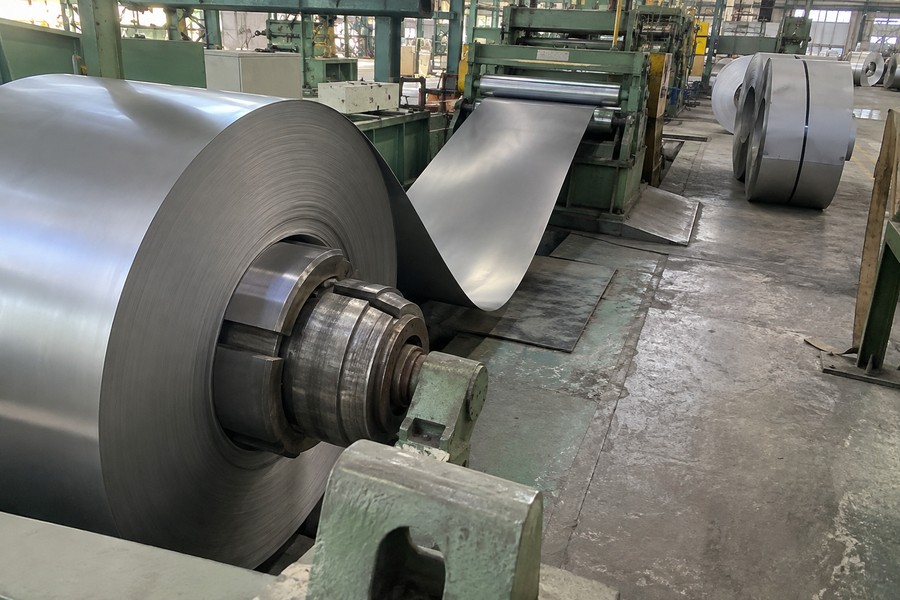
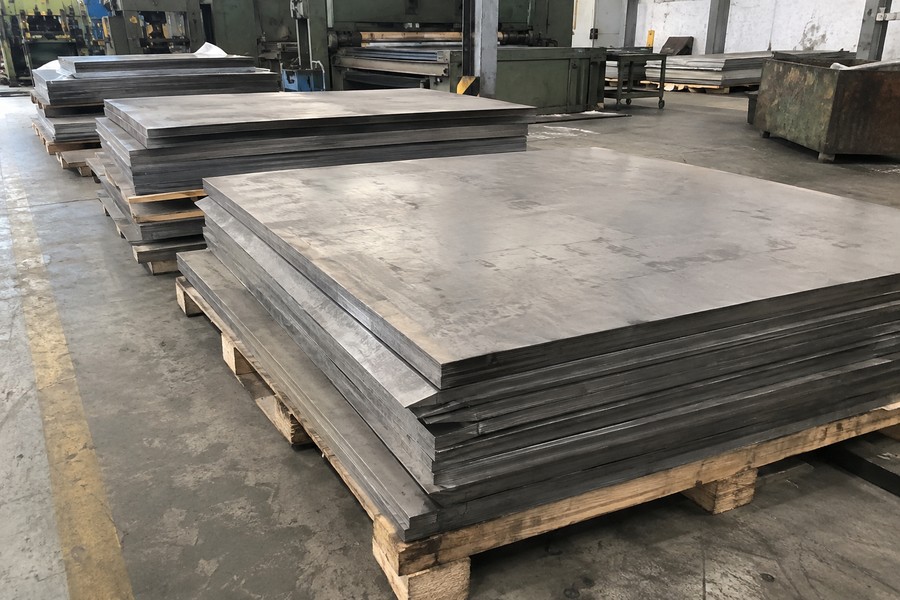
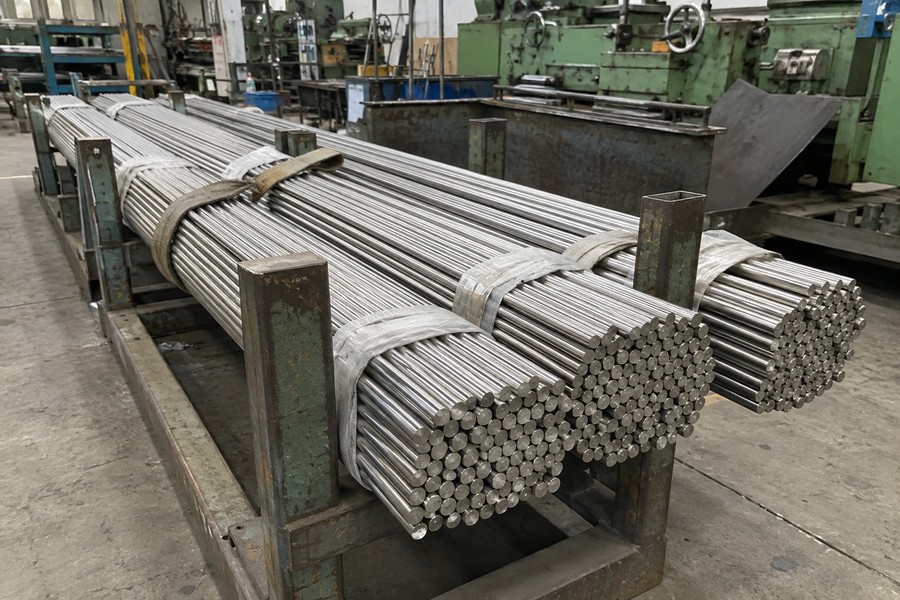
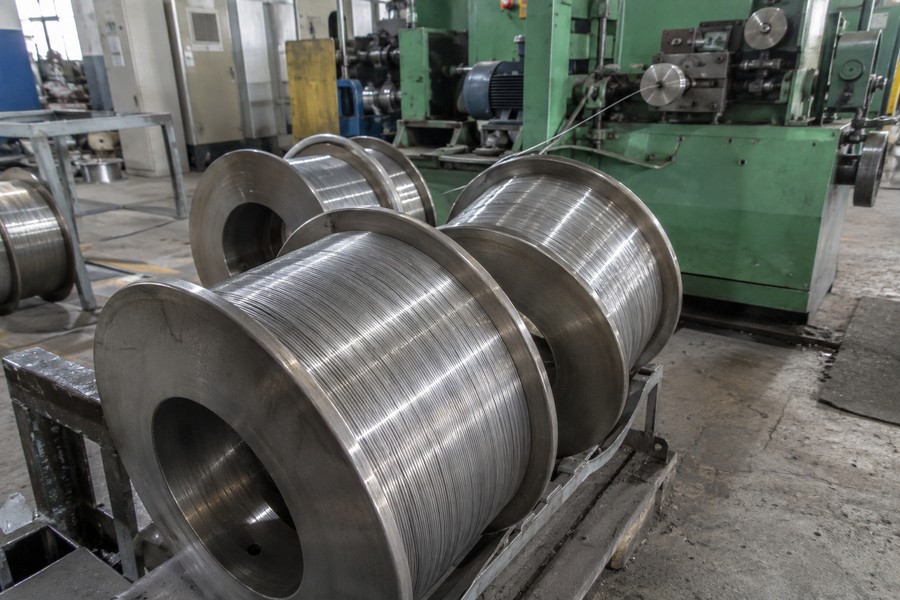
  • Available forms: Bar, plate, sheet, tube, wire and forgings

Chemical Composition (wt%)

ElementTiPdFeCNHO
Content Bal.0.15–0.25≤ 0.30≤ 0.08≤ 0.03≤ 0.015≤ 0.20

Other elements: each ≤ 0.10 %, total ≤ 0.40 %.

Physical Properties

PropertyTypical Value
Densityapprox. 4.54 g/cm³
Melting rangeapprox. 1668–1670 °C
Thermal conductivityapprox. 15.5 W/m·K
Coefficient of thermal expansionapprox. 8.6 ×10⁻⁶ /°C
Electrical resistivityapprox. 0.55 μΩ·m

Mechanical Properties

PropertyTypical Value
Tensile strength≥ 345 MPa
Yield strength≥ 275 MPa
Elongation≥ 24 %
Hardness≤ 120 HB

Key Features

  • Retains the good all-round properties of commercially pure titanium;
  • Significantly improved corrosion resistance in reducing acids such as HCl and H2SO4;
  • Improved resistance to crevice corrosion;
  • Good ductility and workability into various shapes.

Fabrication & Heat Treatment

  • Melting: vacuum arc remelting (VAR) for uniform composition and purity.
  • Hot working: forged or rolled at 750–900 °C; control the atmosphere to avoid contamination.
  • Cold working: cold rolled and cold drawn; intermediate annealing at high cold-reduction levels.
  • Welding: typically TIG welding with strictly controlled parameters for sound welds.
  • Annealing: 650–750 °C for 1–2 h, air cool.
  • Stress-relief annealing: 500–600 °C for 0.5–1 h, air or furnace cool.

Typical Applications

  • Chemical industry: reactors, columns, heat exchangers, pumps, valves and piping handling strongly corrosive media such as hydrochloric, sulphuric and phosphoric acids;
  • Marine engineering: desalination equipment and corrosion-resistant components on offshore oil-production platforms;
  • Electronics: housings and electrodes of electronic components to prevent corrosion in service.

For detailed datasheets, mill certificates (EN 10204 3.1) or inquiries on specific sizes and tolerances, please contact our sales & engineering team.
WhatsApp Chat WeChat Skype Email Us Alibaba Store
Call Get Quote
English English