
+86 138 5268 5691 13852685691@163.com
Reply within 12h·24/7 Multilingual Sales
English English
Titanium Alloys

TA7 (Ti-5Al-2.5Sn)

TA7 (Ti-5Al-2.5Sn) Alpha Titanium AlloyTA7 is a Chinese α-type titanium alloy of nominal composition Ti-5Al-2.5Sn, corresponding directly to international Ti-5Al-2.5Sn / UNS R54520 / AMS 4924 (th

Back to All Products Titanium Alloys

TA7 (Ti-5Al-2.5Sn)

TA7 (Ti-5Al-2.5Sn) Alpha Titanium AlloyTA7 is a Chinese α-type titanium alloy of nominal composition Ti-5Al-2.5Sn, corresponding directly to international Ti-5Al-2.5Sn / UNS R54520 / AMS 4924 (th

  • Bars
  • Plates
  • Tubes
  • Forgings
  • Wires
  • strips
  • Special Shapes

TA7 (Ti-5Al-2.5Sn) Alpha Titanium Alloy

TA7 is a Chinese α-type titanium alloy of nominal composition Ti-5Al-2.5Sn, corresponding directly to international Ti-5Al-2.5Sn / UNS R54520 / AMS 4924 (the low-interstitial ELI grade is used for cryogenic service). It offers relatively high strength, good weldability, good high-temperature performance up to about 500 °C and good corrosion resistance, and is widely used for aerospace engine cases and corrosion-resistant industrial equipment.

Overview

  • Material: TA7 — Ti-5Al-2.5Sn α-type titanium alloy
  • International equivalent: Ti-5Al-2.5Sn / UNS R54520 / AMS 4924
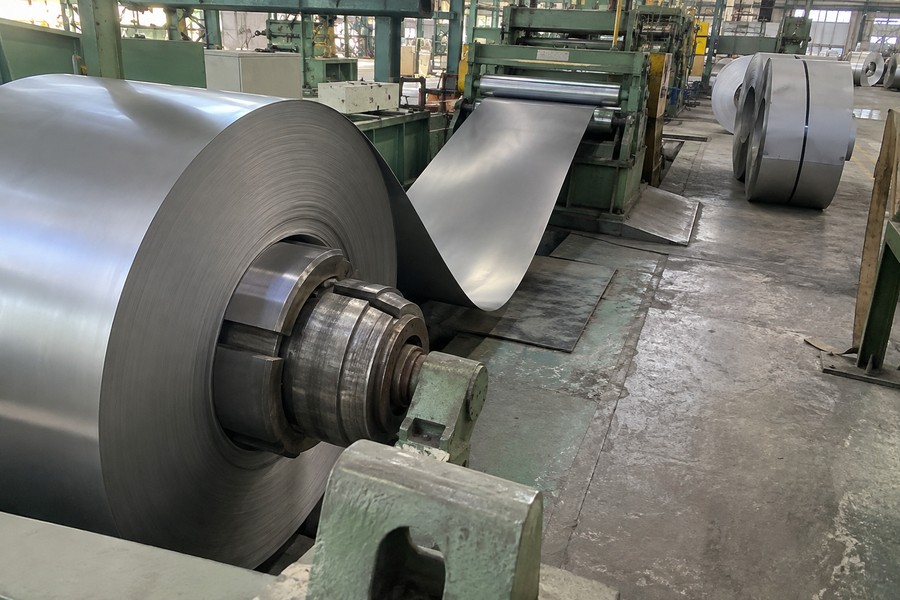
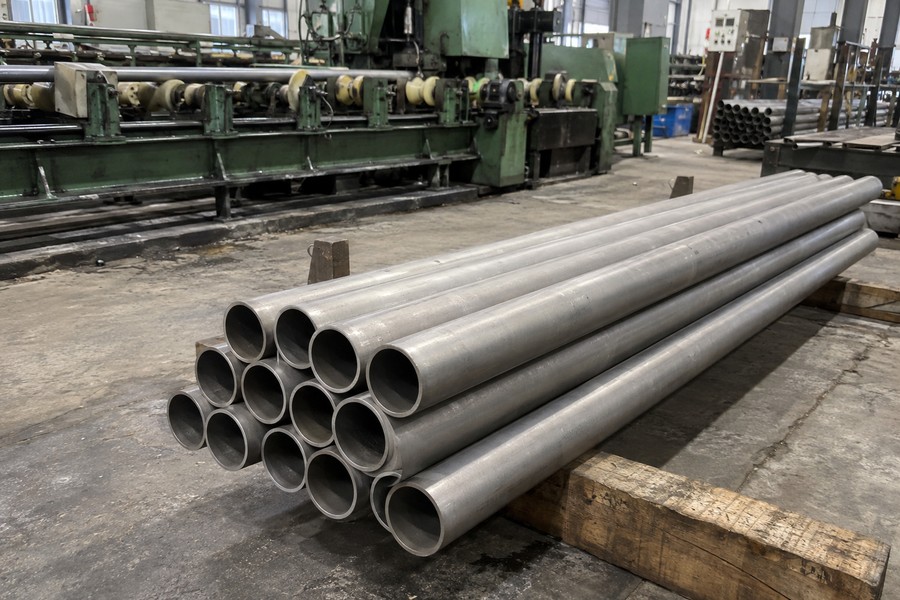
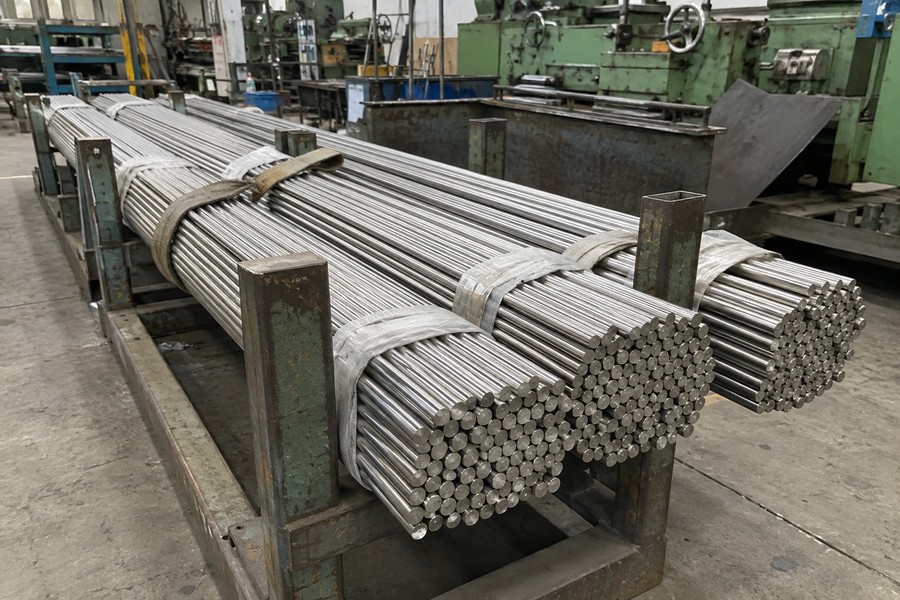
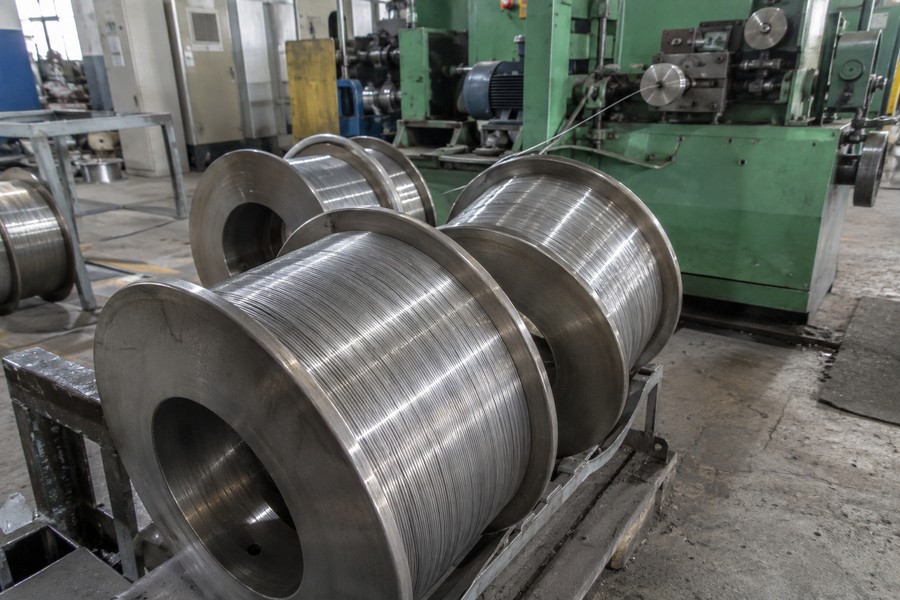
  • Available forms: Bar, plate, sheet, tube, forgings and castings

Chemical Composition (wt%)

ElementTiAlSnFeCNHO
Content Bal.4.0–6.02.0–3.0≤ 0.50≤ 0.08≤ 0.05≤ 0.015≤ 0.20

Other elements: each ≤ 0.10 %, total ≤ 0.40 %.

Physical Properties

PropertyTypical Value
Densityapprox. 4.5 g/cm³
Melting pointapprox. 1660 °C
Thermal conductivityapprox. 7.2 W/m·K
Coefficient of thermal expansion (20–300 °C)approx. 8.6 ×10⁻⁶ /°C
Specific heat capacityapprox. 0.523 J/g·K

Mechanical Properties

PropertyTypical Value
Tensile strength800–1000 MPa
Yield strength600–800 MPa
Elongation≥ 20 %
Reduction of area≥ 40 %
Hardnessapprox. 300 HB

Key Features

  • Relatively high strength capable of carrying substantial loads;
  • Good corrosion resistance in a range of media;
  • Low density supporting lightweight design;
  • Good high-temperature properties, retaining strength and stability below about 500 °C;
  • Good weldability for ease of fabrication.

Fabrication & Heat Treatment

  • Melting: at least two vacuum arc remelts (VAR); Al and Sn are added as an Al-Sn master alloy; the consumable electrode is welded by argon-arc / plasma welding.
  • Casting: graphite-machined, graphite-rammed, permanent-mould and investment-casting processes.
  • Hot working: forge with a 1 h hold at about 1177 °C; working temperature not below 1010 °C; solution treatment after hot working.
  • Cold working: cold rolled and cold drawn, with annealing after cold reduction.
  • Welding: TIG and MIG welding under inert-gas shielding; good low-temperature toughness; brazing is rarely used; argon-arc, spot and seam welding are common. (Note: the source text contradicts itself on TIG during consumable-electrode preparation — normal TIG/MIG fabrication welding is fine.)
  • Annealing: sheet 700–800 °C for 10–120 min, air cool; bar and forgings 750–850 °C for 0.5–4 h, air cool; castings 600–700 °C for 1–2 h, air or furnace cool.
  • Stress-relief annealing: 540–650 °C for 15–360 min, air or furnace cool.
  • HIP (castings): 100–140 MPa argon at 910 ±10 °C for 2–2.5 h, furnace cool to below 300 °C.

Typical Applications

  • Aerospace: engine adapters, front-case shells, seal-holder housings, liners, brackets and panels;
  • Chemical industry: vessels, piping and valves;
  • Marine engineering: offshore-platform components and seawater-treatment equipment;
  • Medical: artificial joints and bone-fixation devices.

Limitations

  • Difficult to machine; hot working can pick up hydrogen, oxygen, nitrogen and carbon contamination;
  • Relatively high production cost.

For detailed datasheets, mill certificates (EN 10204 3.1) or inquiries on specific sizes and tolerances, please contact our sales & engineering team.
WhatsApp Chat WeChat Skype Email Us Alibaba Store
Call Get Quote
English English