
+86 138 5268 5691 13852685691@163.com
Reply within 12h·24/7 Multilingual Sales
English English
Titanium Alloys

TA3

TA3 (ASTM Grade 3 / UNS R50550) Commercially Pure TitaniumTA3 is a Chinese grade of commercially pure (CP) α-titanium, corresponding to international ASTM Grade 3 / UNS R50550 / DIN 3.7055. With

Back to All Products Titanium Alloys

TA3

TA3 (ASTM Grade 3 / UNS R50550) Commercially Pure TitaniumTA3 is a Chinese grade of commercially pure (CP) α-titanium, corresponding to international ASTM Grade 3 / UNS R50550 / DIN 3.7055. With

  • Bars
  • Plates
  • Tubes
  • Forgings
  • Wires
  • strips
  • Special Shapes

TA3 (ASTM Grade 3 / UNS R50550) Commercially Pure Titanium

TA3 is a Chinese grade of commercially pure (CP) α-titanium, corresponding to international ASTM Grade 3 / UNS R50550 / DIN 3.7055. With higher oxygen content than Grades 1 and 2, it offers higher strength while retaining good ductility, excellent corrosion resistance and biocompatibility, and is used where moderate strength plus toughness are required.

Overview

  • Material: TA3 — commercially pure titanium (Grade 3)
  • International equivalent: ASTM Gr.3 / UNS R50550 / DIN 3.7055 (medical: ASTM F67 / ISO 5832-2)
  • Class: α-type pure titanium
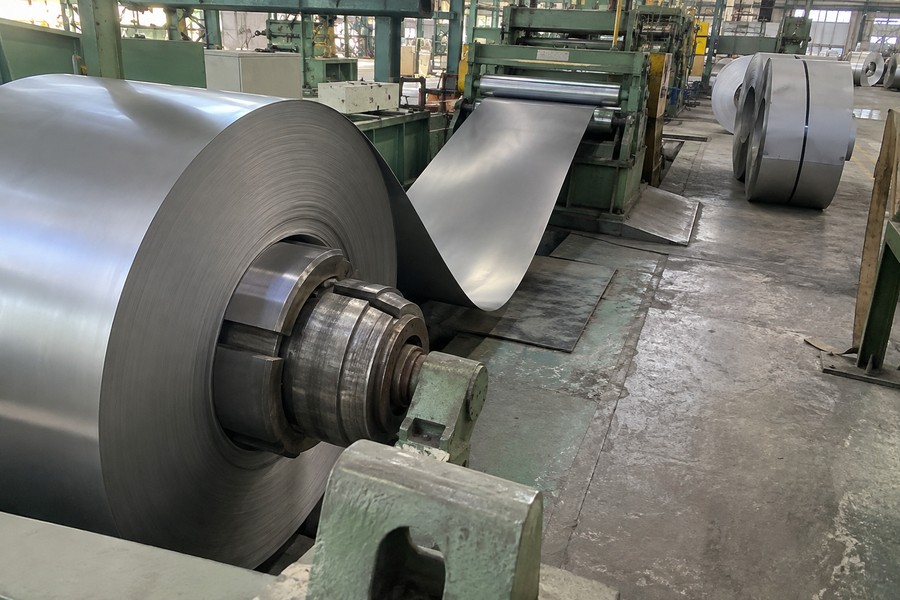
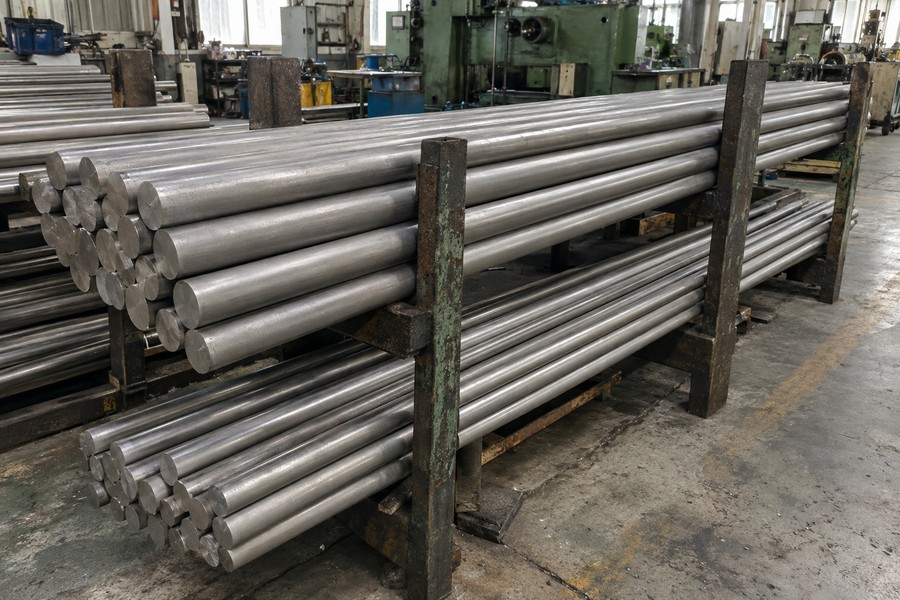
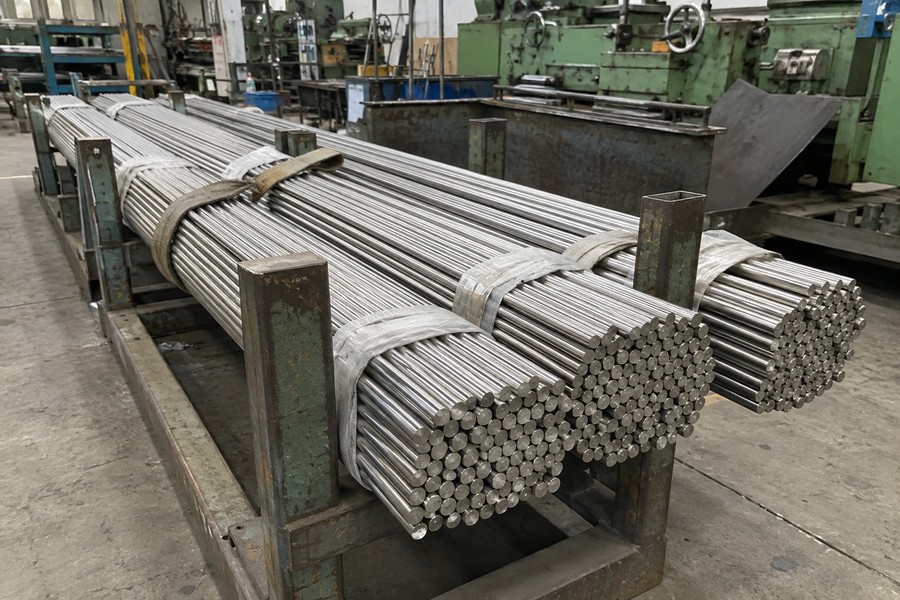
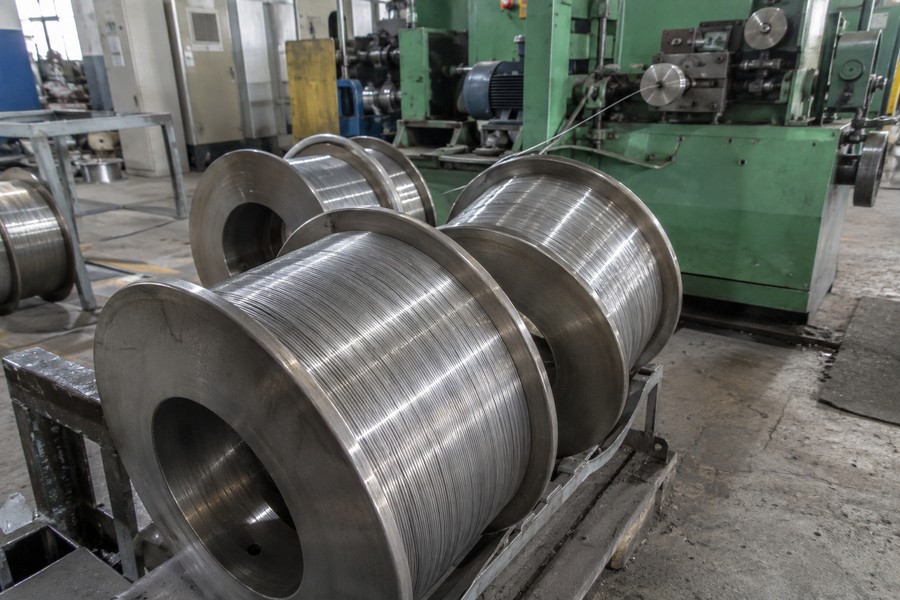
  • Available forms: Bar, plate, sheet, strip, tube, wire and forgings

Chemical Composition (wt%)

ElementTiFeCNHO
Content Bal.≤ 0.40≤ 0.10≤ 0.05≤ 0.015≤ 0.30

Other elements: each ≤ 0.10 %, total ≤ 0.40 %.

Physical Properties

PropertyTypical Value
Densityapprox. 4.51 g/cm³
Melting pointapprox. 1660 °C
Thermal conductivityapprox. 16.8 W/m·K
Coefficient of thermal expansionapprox. 9.0 ×10⁻⁶ /°C
Electrical resistivityapprox. 0.47 μΩ·m

Mechanical Properties

PropertyTypical Value
Tensile strength≥ 490 MPa
Yield strength≥ 320 MPa
Elongation≥ 20 %

Key Features

  • Low density with higher strength than TA1 / Grade 1 and TA2 / Grade 2;
  • Good ductility and formability despite the higher strength;
  • Strong corrosion resistance in a wide range of corrosive media;
  • Good biocompatibility;
  • Good thermal stability at moderate temperature.

Fabrication & Heat Treatment

  • Melting: vacuum melting, at least one vacuum arc remelting (VAR), for purity and consistency.
  • Hot working: forged, extruded, rolled or drawn at 800–900 °C in a neutral or slightly oxidising atmosphere.
  • Cold working: cold rolled and cold drawn; intermediate annealing is required when cold reduction reaches 30–60 %.
  • Welding: typically TIG welding; also plasma, resistance and gas-shielded diffusion welding.
  • Annealing: 670–720 °C for 0.5–2 h.
  • Stress-relief annealing: 530–550 °C for 0.5–1 h, or 470–490 °C for 2–4 h.

Typical Applications

  • Aerospace: aircraft frames, skin and engine accessories;
  • Chemical industry: reactors, piping, pump bodies and distillation columns;
  • Marine engineering: seawater-resistant piping, valves and pumps on vessels;
  • Consumer goods: spectacle frames and watch bracelets.

For detailed datasheets, mill certificates (EN 10204 3.1) or inquiries on specific sizes and tolerances, please contact our sales & engineering team.
WhatsApp Chat WeChat Skype Email Us Alibaba Store
Call Get Quote
English English