
+86 138 5268 5691 13852685691@163.com
Reply within 12h·24/7 Multilingual Sales
English English
Inconel Alloy

Inconel 601

Inconel 601 (UNS N06601)Inconel 601 (also specified as UNS N06601 / Werkstoff No. 2.4851) is a nickel-chromium-iron solid-solution strengthened superalloy with controlled aluminium additions. It

Back to All Products Inconel Alloy

Inconel 601

Inconel 601 (UNS N06601)Inconel 601 (also specified as UNS N06601 / Werkstoff No. 2.4851) is a nickel-chromium-iron solid-solution strengthened superalloy with controlled aluminium additions. It

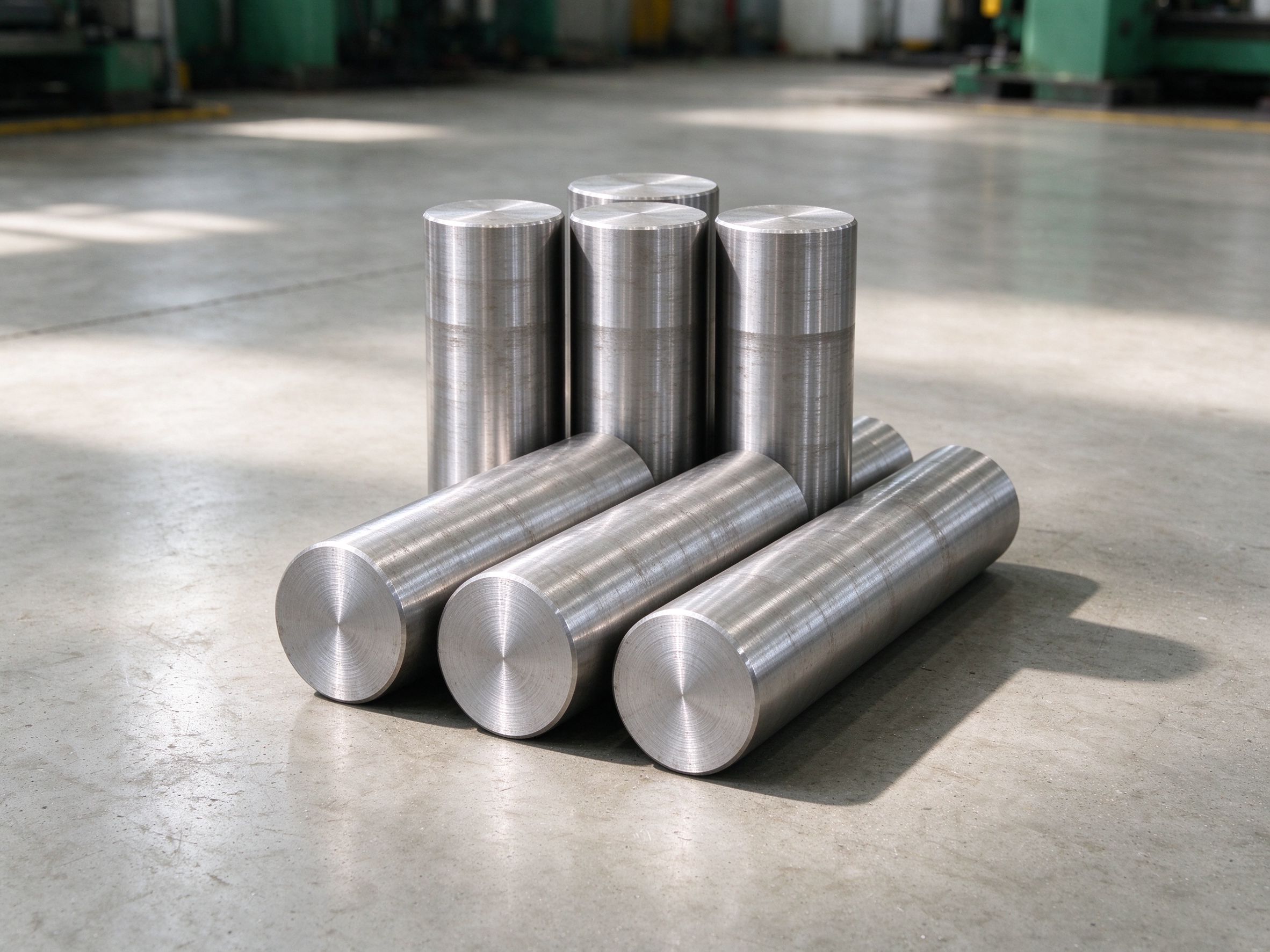
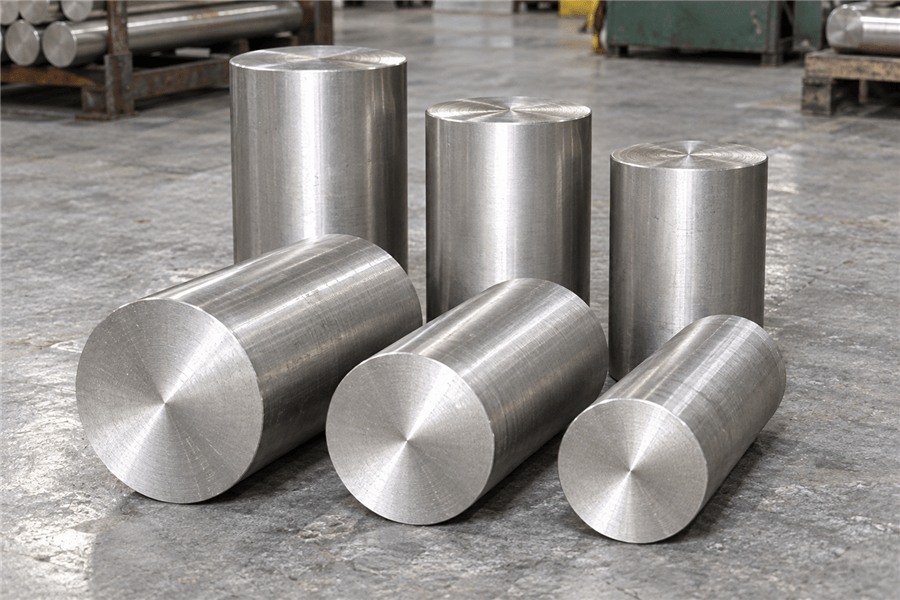
  • Bars
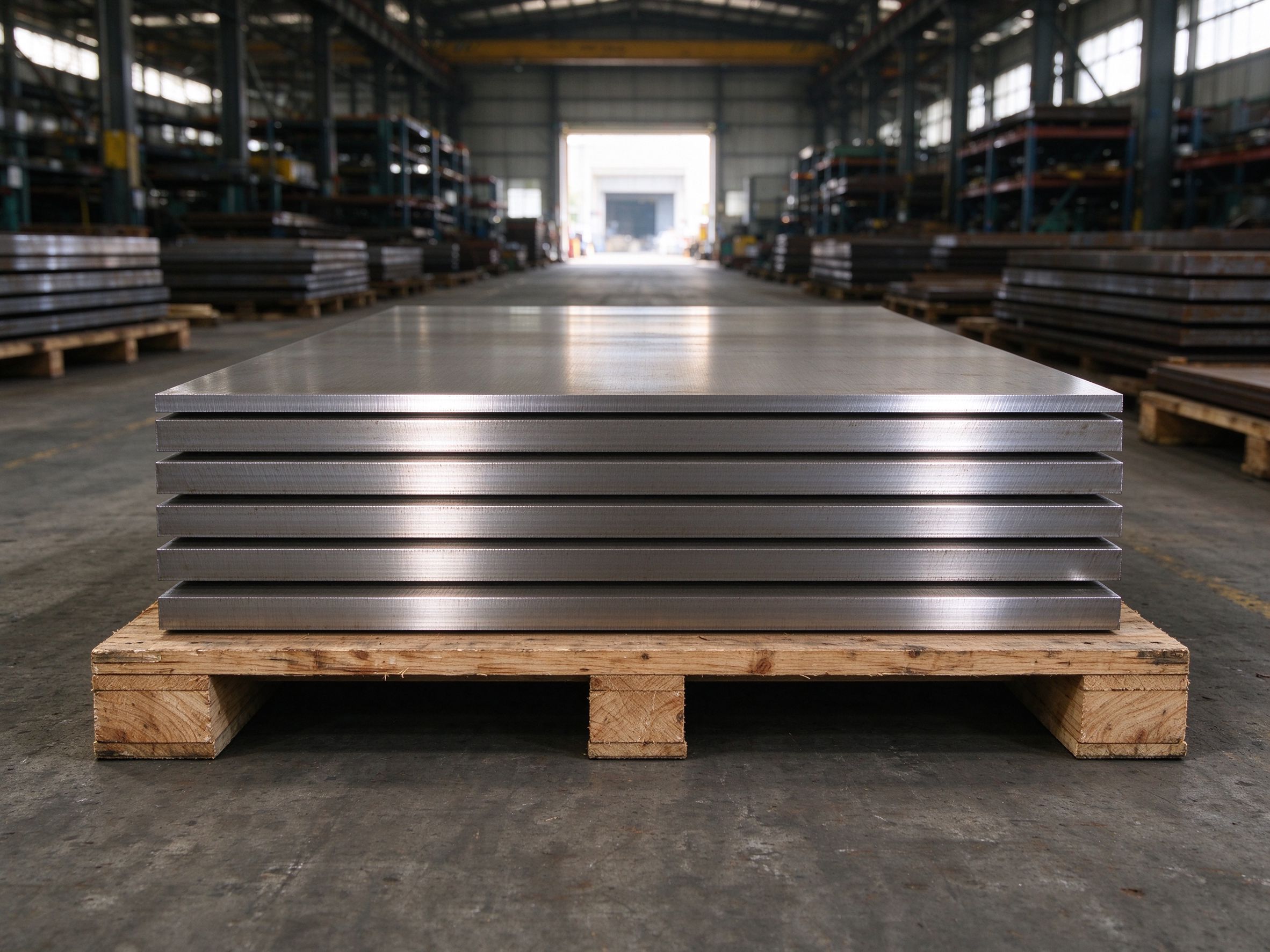
  • Plates
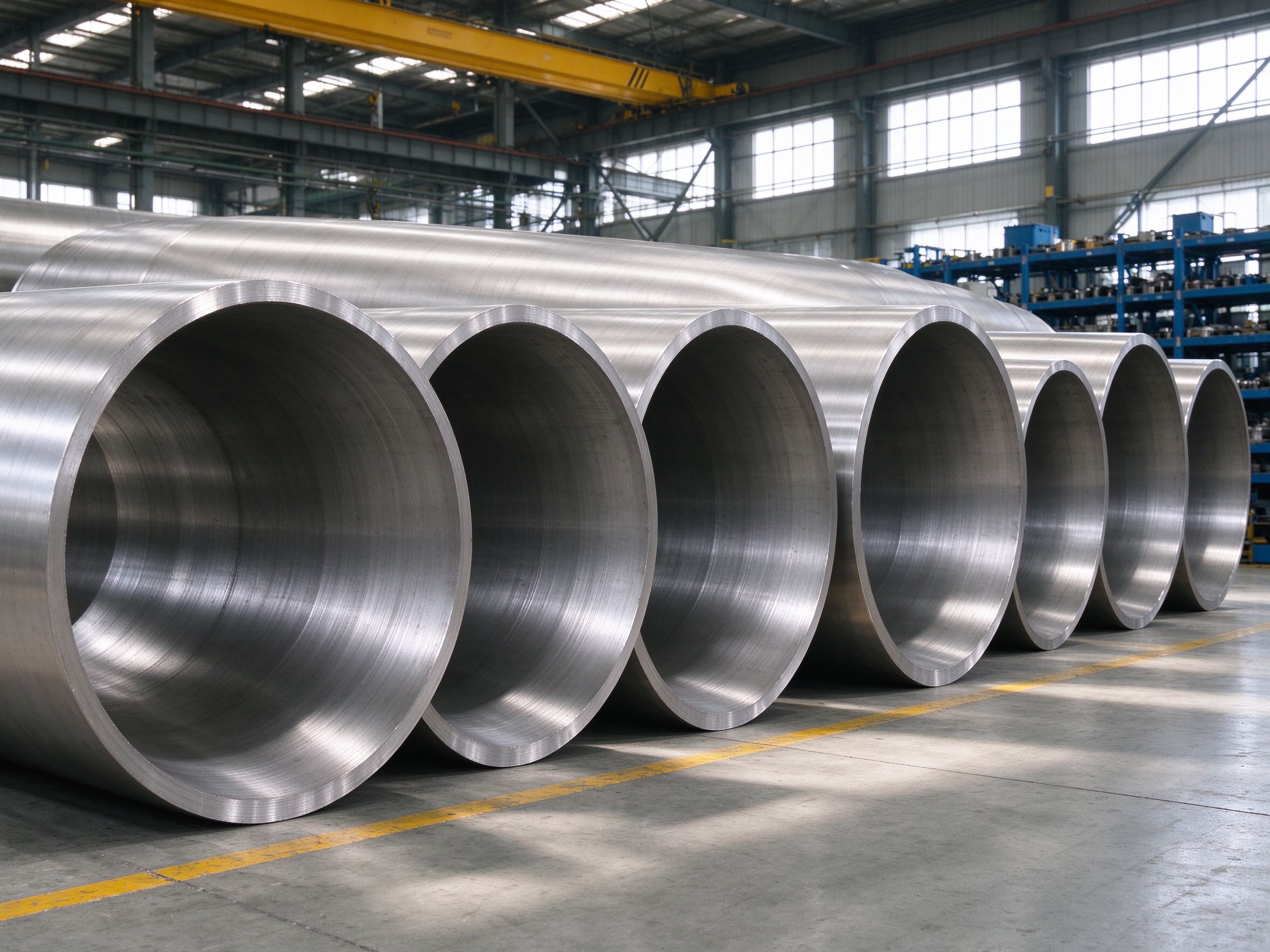
  • Tubes
  • Forgings
  • Wires
  • strips
  • Special Shapes

Inconel 601 (UNS N06601)

Inconel 601 (also specified as UNS N06601 / Werkstoff No. 2.4851) is a nickel-chromium-iron solid-solution strengthened superalloy with controlled aluminium additions. It is distinguished by outstanding high-temperature oxidation resistance (retaining protective oxide scale up to about 1200 °C), good carburisation and sulfidation resistance, and excellent mechanical properties from room temperature into elevated-temperature service.

Overview

  • Category: Nickel-based high-temperature / corrosion-resistant alloy (Ni-Cr-Fe-Al)
  • Standards: ASTM B163, B166, B167, B168, B564, B751, B775, B829; AMS 5715; AMS 5870; UNS N06601; DIN/EN 2.4851
  • Available forms: Round bar / rod, plate, sheet, pipe & tube, forgings, and custom profiles to order

Chemical Composition (wt%)

ElementNiCrFeAlCMnSiCuPS
Content 58.0–63.021.0–25.0Bal.1.00–1.70 ≤ 0.10≤ 1.00≤ 0.50≤ 1.00 ≤ 0.020≤ 0.015

Physical Properties

PropertyTypical Value
Density8.11 g/cm³
Melting range1360–1411 °C (2480–2571 °F)
Specific heat capacity448 J/(kg·K) (0.107 BTU/(lb·°F))
Thermal conductivity11.4 W/(m·K) (at 25 °C)
Coefficient of thermal expansion14.2 ×10-6 /°C (20–100 °C)
Magnetic propertiesNon-magnetic

Mechanical Properties

PropertyAnnealedSolution-treated
Tensile strength (Rm)550–790 MPa (80–115 ksi)515–760 MPa (75–110 ksi)
Yield strength (Rp0.2)205–415 MPa (30–60 ksi)160–380 MPa (25–55 ksi)
Elongation (A5)40–70 %40–75 %

Fabrication & Welding

  • Hot working: 1150–950 °C. Avoid excessively rapid heating; cool rapidly immediately after hot working.
  • Cold working: Excellent cold-formability; readily cold-drawn, cold-rolled and deep-drawn, with a moderate work-hardening rate.
  • Welding: Readily welded by GTAW (TIG), GMAW (MIG), SMAW (MMA) and similar conventional processes. Clean the surface before welding; no post-weld heat treatment is normally required.

Heat Treatment

  • Solution treatment: Heat to 1080–1120 °C, followed by rapid cooling, to fully dissolve alloying elements and restore corrosion resistance and toughness.
  • Annealing: Heat to 850–900 °C, air-cool or furnace-cool, to relieve fabrication stresses and improve ductility and toughness.

Key Features

  • Excellent high-temperature oxidation resistance, retaining a protective oxide scale up to about 1200 °C;
  • Good resistance to carburising and sulfidising atmospheres;
  • Good mechanical properties at both room and elevated temperature;
  • Reasonable resistance to stress-corrosion cracking;
  • High creep-rupture strength, especially above 500 °C;
  • Good formability and weldability for fabrication into complex components.

Corrosion Resistance

  • Good performance in sulfur- and carbon-bearing complex furnace atmospheres;
  • Strong spalling resistance under cyclic high-temperature heating and cooling;
  • Resists mild corrosive media such as seawater and dilute acids to a limited extent.

Typical Applications

  • Heat-treatment industry: furnace radiants / radiant tubes, muffles, retorts, flame shields, annealing tubes for cast billets, woven wire conveyor belts, chain curtains, burner nozzles, electric heating elements, and baskets, trays and fixtures for annealing, carburising, carbonitriding and nitriding processes;
  • Chemical processing: process heaters, condensers in sour-water strippers, insulation cans in ammonia reformers, burner parts and catalyst-grid supports in nitric-acid production;
  • Petrochemical: catalyst regenerators and air preheaters in HDPE (high-density polyethylene) production;
  • Pollution control: thermal reactors in gasoline-engine exhaust systems, combustion chambers in solid-waste incinerators;
  • Power generation: superheater tube supports, grid baffles and soot-blower systems;
  • Aerospace: igniters for jet engines, combustor liners, diffuser components and seal rings for aircraft, industrial and vehicular gas turbines.

For detailed datasheets, mill certificates (EN 10204 3.1) or inquiries on specific sizes and tolerances, please contact our sales & engineering team.
WhatsApp Chat WeChat Skype Email Us Alibaba Store
Call Get Quote
English English