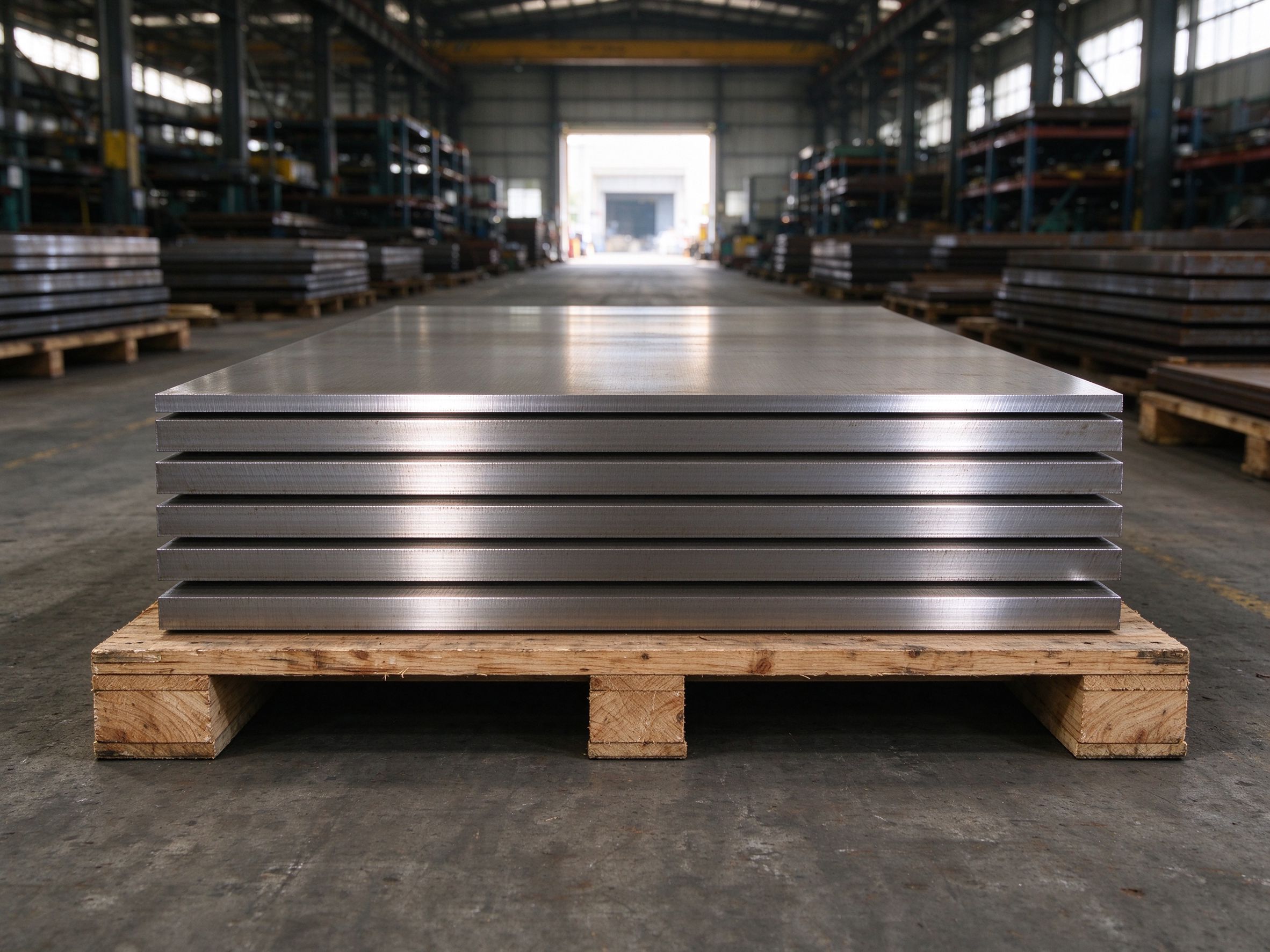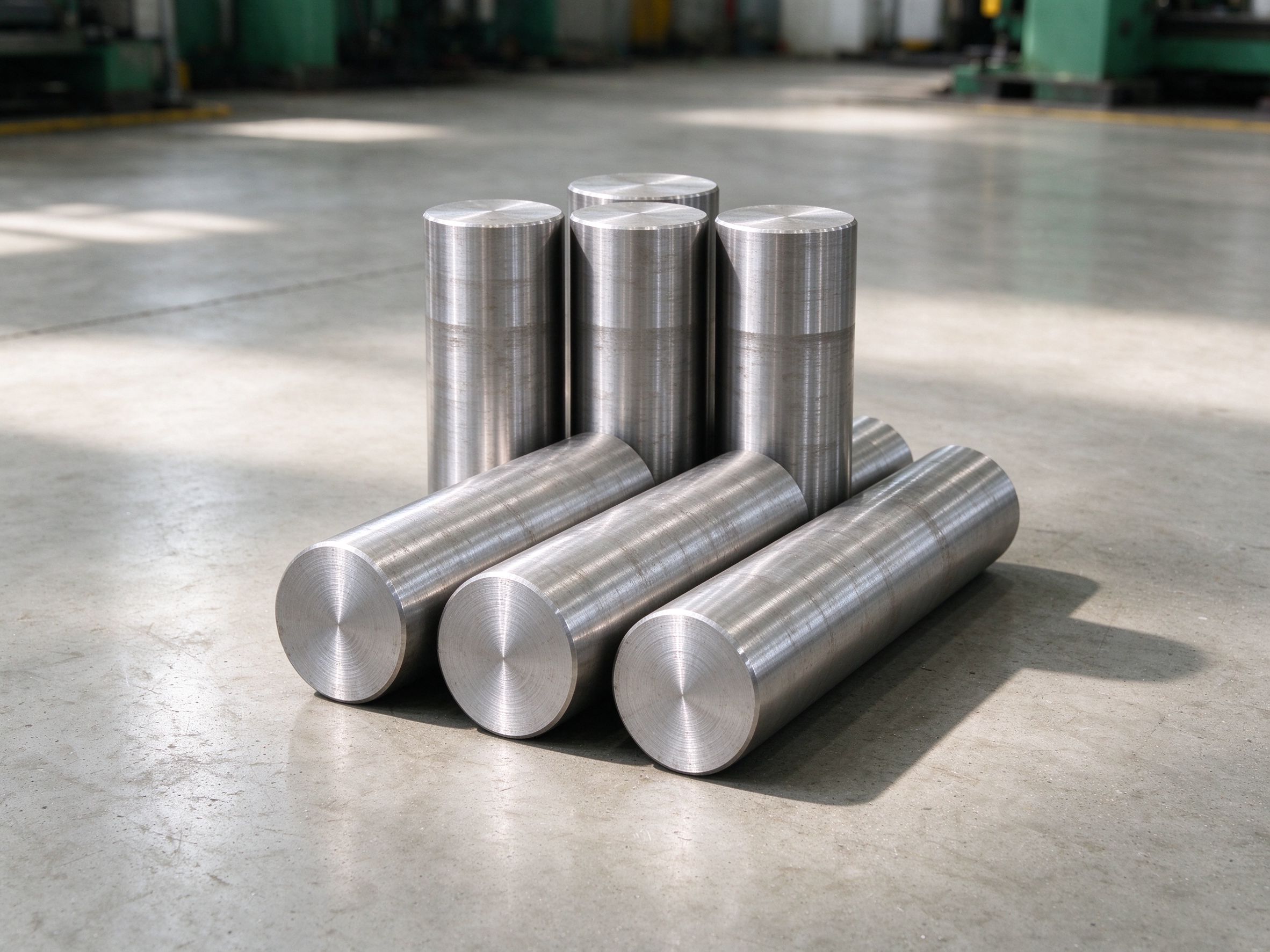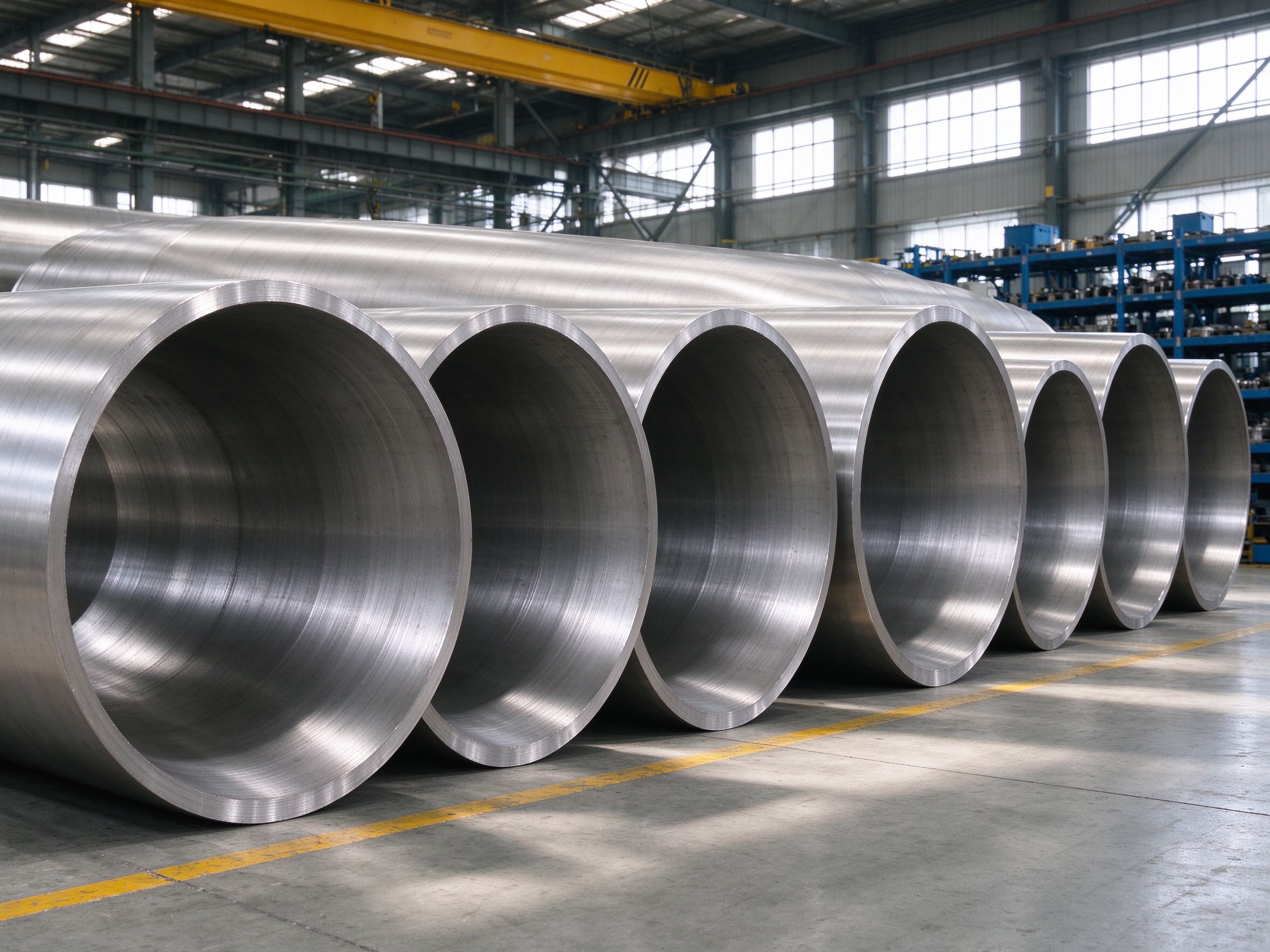

B3 is a nickel-molybdenum corrosion-resistant alloy—also known as a nickel-based alloy—corresponding to the U.S. UNS designation N10675, the German designation 2.4600, and the Chinese d
B3 is a nickel-molybdenum corrosion-resistant alloy—also known as a nickel-based alloy—corresponding to the U.S. UNS designation N10675, the German designation 2.4600, and the Chinese designation NS3203.
Its key characteristics include a composition primarily consisting of nickel (approximately 65%) and molybdenum (approximately 28.5%). It is specifically designed for highly reducing media (particularly hydrochloric acid) and exhibits excellent corrosion resistance against hydrochloric acid at any temperature and concentration, as well as resistance to non-oxidizing acids such as sulfuric acid, phosphoric acid, and acetic acid.
Key Performance Characteristics
Corrosion Resistance: Excellent resistance to hydrochloric acid, sulfuric acid, phosphoric acid, and various organic acids, with strong resistance to pitting corrosion and stress corrosion cracking.
Good Thermal Stability: Compared to the previous-generation B2 alloy, B3 significantly improves resistance to embrittlement in the medium-temperature range and is less prone to the precipitation of harmful phases after welding and hot working.
Workability: It can be formed both cold and hot; however, it work-hardens relatively quickly, so deformation must be controlled and intermediate annealing scheduled.
Typical Applications
It is primarily used in chemical and petrochemical equipment, such as reactors, heat exchangers, columns, piping, valves, and acid washing tanks. It is also used in the pharmaceutical, nuclear, waste acid recovery, and offshore engineering sectors.