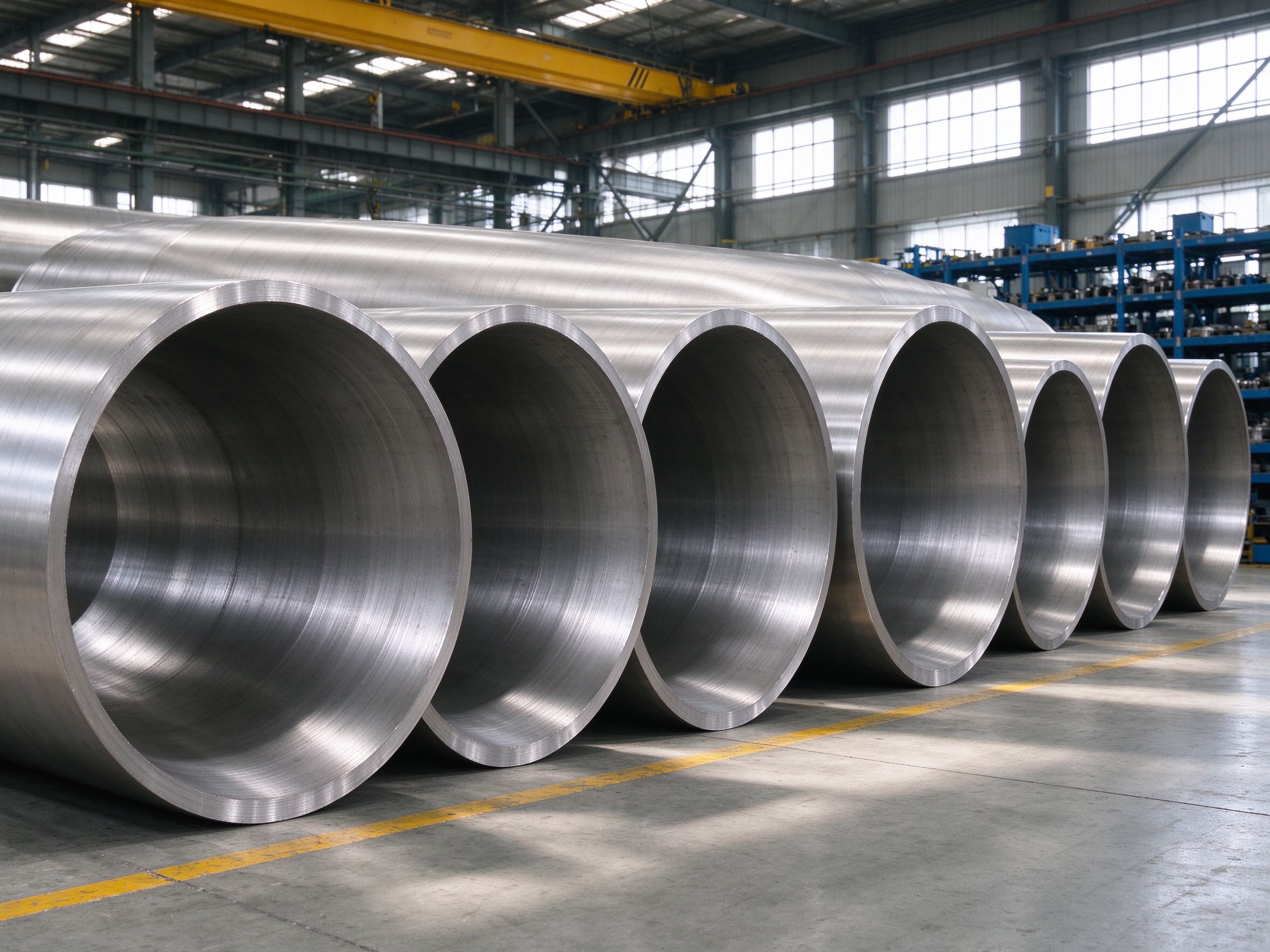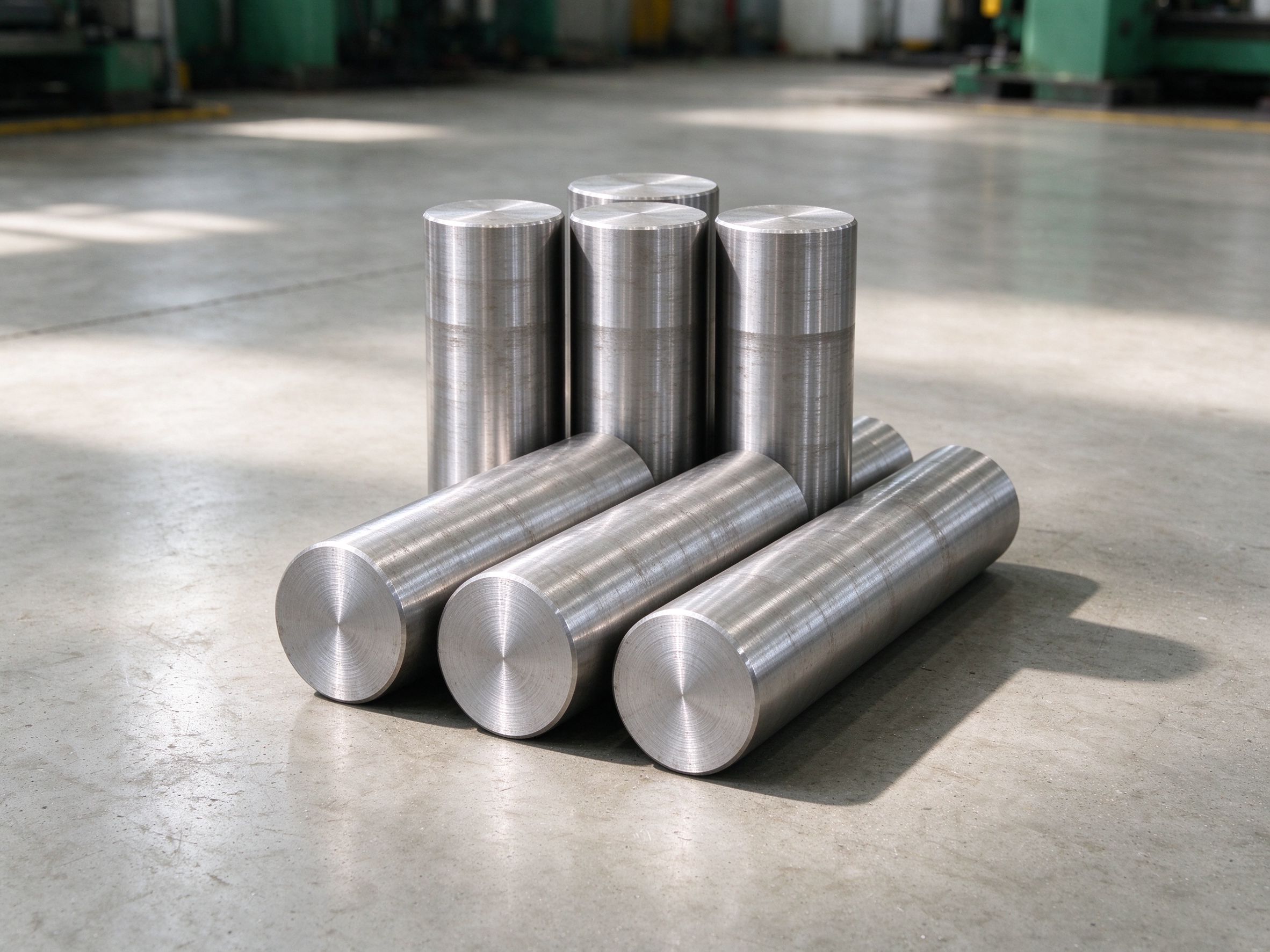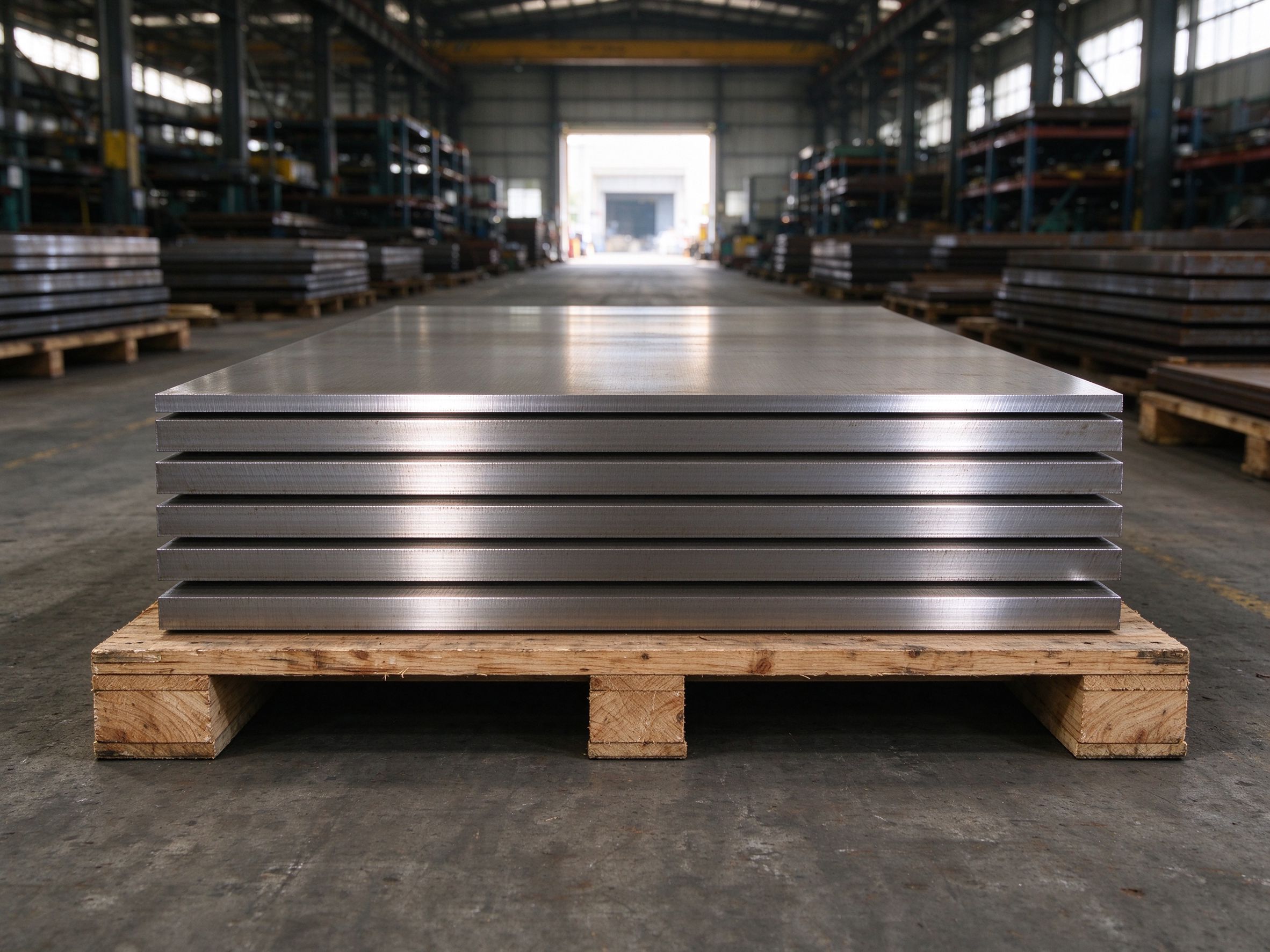

C22 is a high-performance nickel-based corrosion-resistant alloy. The following is a detailed description of its composition
C22 is a high-performance nickel-based corrosion-resistant alloy. The following is a detailed description of its composition:
I. Chemical Composition
The chemical composition of C22 alloy is primarily nickel, with key elements such as chromium, molybdenum, tungsten, and iron added. The specific content is as follows:
Nickel (Ni): Approximately 56%–63%. It is the main matrix element of the alloy, imparting excellent corrosion resistance and strength.
Chromium (Cr): Approximately 16%–22%. It forms a dense oxide film that resists corrosion by oxidizing media (such as nitric acid and hot concentrated sulfuric acid).
Molybdenum (Mo): Approximately 12.5%–14.5%. It significantly enhances the alloy’s resistance to pitting and crevice corrosion in chloride-containing environments.
Tungsten (W): Approximately 2.5%–3.5%, enhances the alloy’s thermal stability and corrosion resistance, particularly in high-temperature environments.
Iron (Fe): Approximately 3%, acts as a secondary element to regulate the alloy’s microstructure and properties.
Other elements: Such as carbon (C), silicon (Si), and manganese (Mn), whose content is strictly controlled to avoid affecting the alloy’s performance.
II. Physical Properties
The physical properties of C22 alloy are as follows:
Density: Approximately 8.9–9.2 g/cm³.
Melting point: Approximately 2500–2600°C.
Thermal conductivity: Approximately 10 W/m·K.
Coefficient of linear expansion: approximately 11–12 × 10⁻⁶ /°C.
III. Corrosion Resistance
C22 alloy is renowned for its excellent corrosion resistance, as demonstrated below:
Resistance to pitting and crevice corrosion: It exhibits outstanding resistance to pitting and crevice corrosion in chloride-containing environments, such as seawater and saline solutions.
Resistance to Stress Corrosion Cracking: It resists stress corrosion cracking and is suitable for environments subject to high stress.
Resistance to Oxidizing and Reducing Media: It exhibits good corrosion resistance against both oxidizing media (such as nitric acid and hot concentrated sulfuric acid) and reducing media (such as hydrochloric acid and sulfuric acid).
Resistance to Mixed Acid Corrosion: It can withstand mixed acid corrosion from both oxidizing and reducing media, such as wet chlorine gas, hypochlorite, and chlorine dioxide solutions.
IV. Application Fields
C22 alloy is widely used in the following fields:
Chemical and Petroleum Industries: Used in the manufacture of equipment such as reactors, heat exchangers, storage tanks, and piping to handle various corrosive media.
Environmental Protection: Used in spray pipes for flue gas desulfurization (FGD) systems and nuclear fuel reprocessing equipment to withstand corrosion in harsh environments.
Pharmaceutical and Food Processing: Used in the manufacture of pharmaceutical and food processing equipment to ensure the purity and safety of production processes.
Aerospace and Energy: Used in the manufacture of high-temperature, high-pressure components, such as turbine engine blades and combustion chamber liners, to withstand extreme temperatures and pressures.
V. Machining and Welding Processes
C22 alloy can be machined using conventional methods, but the following precautions should be observed:
Cold Working: High-power equipment is required. Since the work hardening rate is high, intermediate annealing is recommended to restore plasticity.
Hot Working: The optimal temperature range is 870–1200°C. Avoid holding the material in the 650–870°C range to prevent the precipitation of brittle phases.
Welding: Gas Tungsten Arc Welding (GTAW) or plasma arc welding is recommended, using ERNiCrMo-10 welding wire as the filler material. Surfaces must be thoroughly cleaned prior to welding, and the interpass temperature must be kept below 150°C. Post-welding heat treatment is generally not required to maintain corrosion resistance.