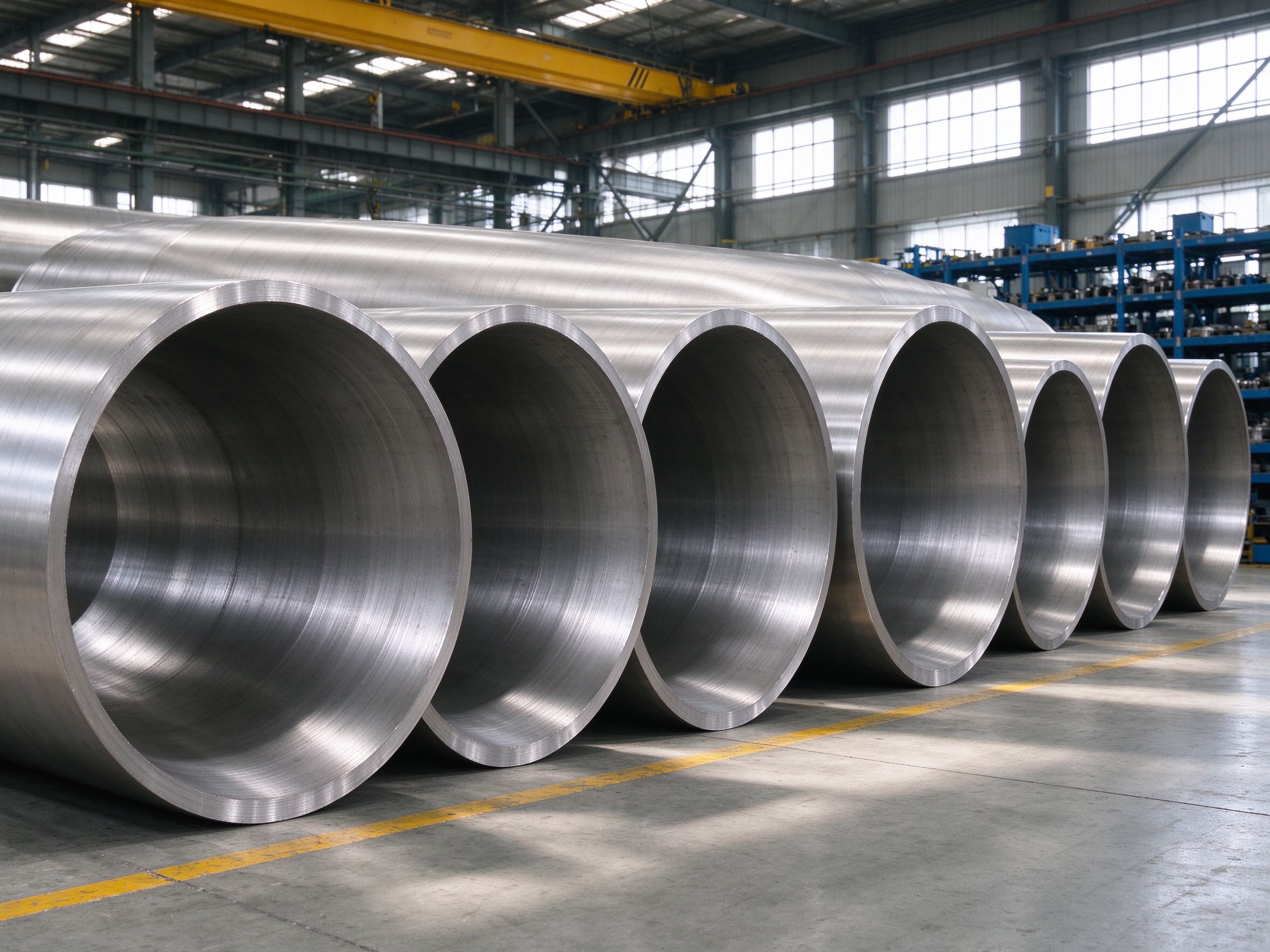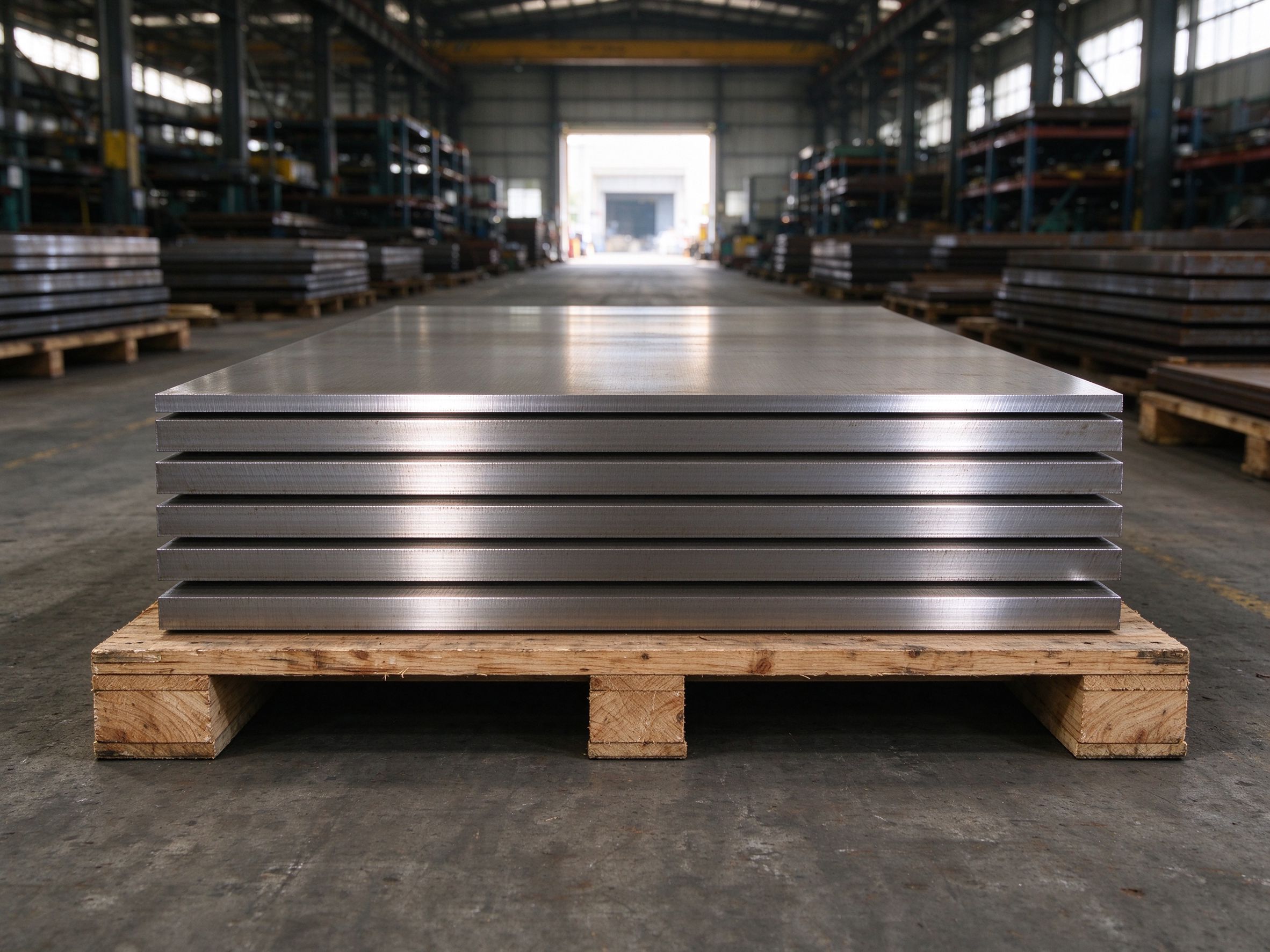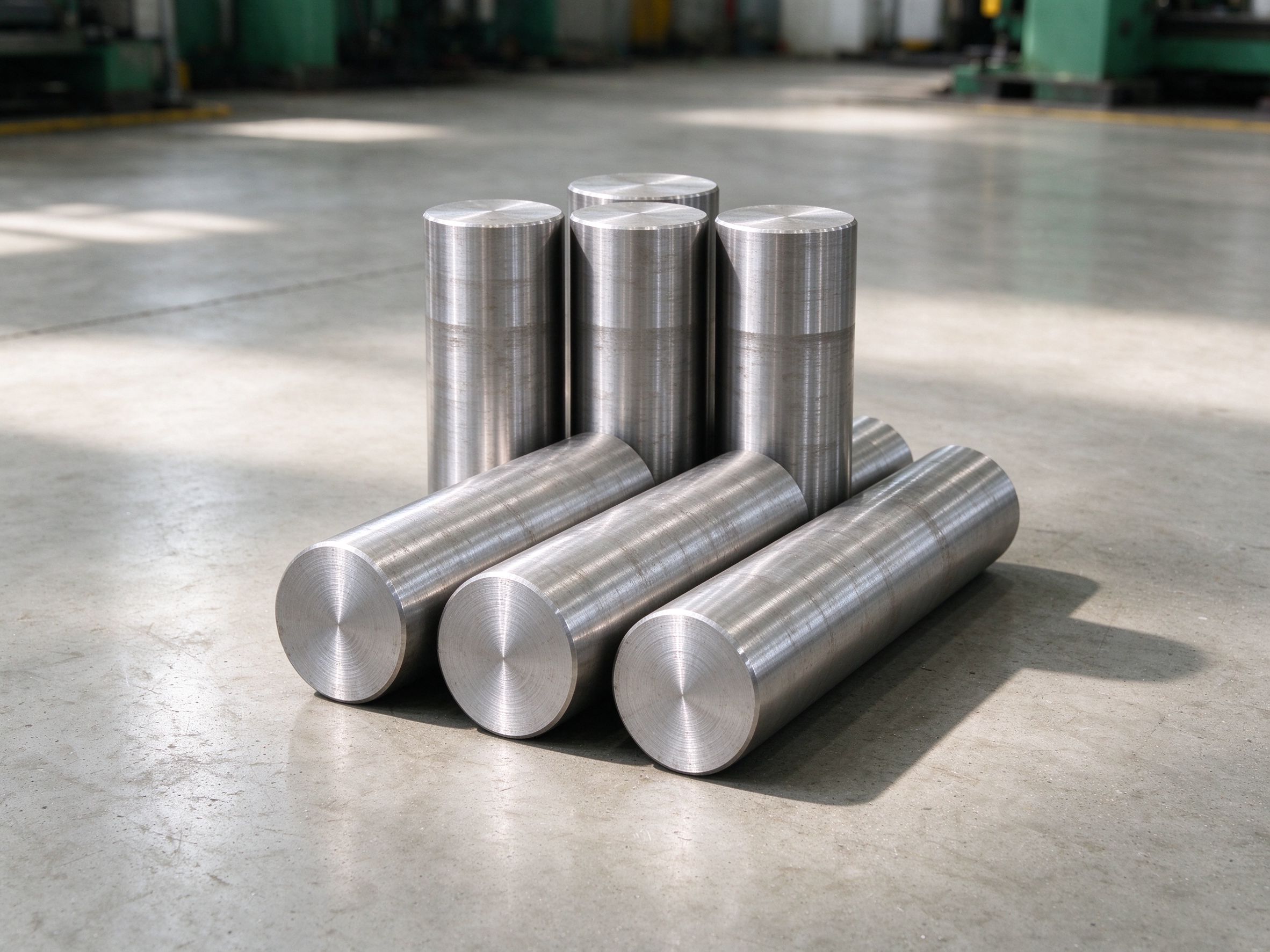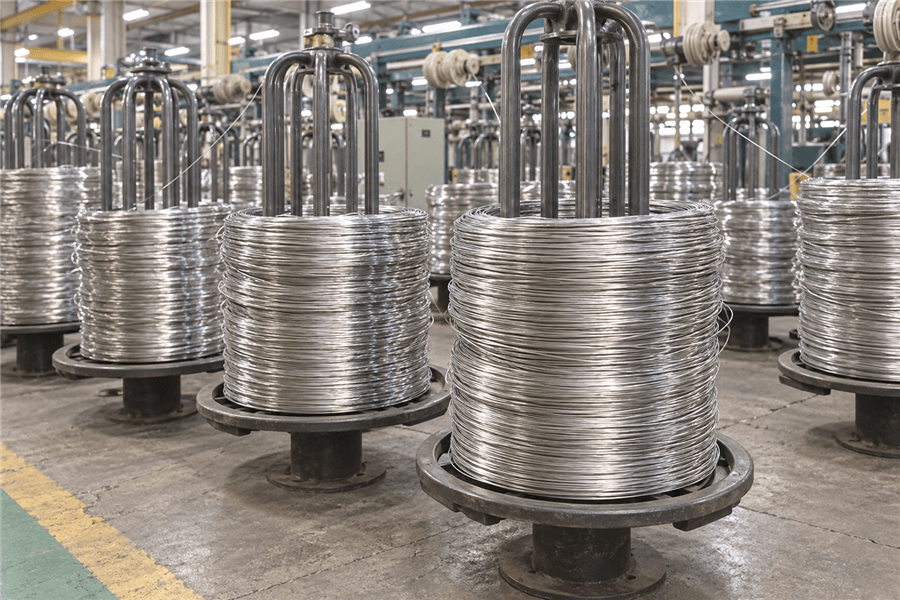

Inconel 600 (UNS N06600)Inconel 600 (also specified as UNS N06600 / Werkstoff No. 2.4816 / NCF 600) is a nickel-chromium-iron solid-solution strengthened nickel-based superalloy.
Product Characteristics
ALLOY 600 exhibits the following characteristics:
It offers excellent resistance to corrosion by reducing, oxidizing, and nitriding media.
It exhibits excellent resistance to stress corrosion cracking at both room temperature and high temperatures.
It offers excellent resistance to corrosion by dry chlorine and hydrogen chloride gases.
It exhibits excellent mechanical properties at sub-zero temperatures, room temperature, and high temperatures.
It has excellent creep rupture strength and is recommended for use in operating environments above 700°C.
Microstructure
Alloy 600 has a face-centered cubic (fcc) crystal structure.
Corrosion Resistance
Alloy 600 is resistant to a wide range of corrosive media. The chromium content gives this alloy better corrosion resistance under oxidizing conditions than Nickel 99.2 (Alloy 200) and Nickel 99.2 (Alloy 201, low-carbon).
At the same time, the high nickel content provides the alloy with excellent corrosion resistance under reducing conditions and in alkaline solutions, and effectively prevents chloride-iron stress corrosion cracking.
Alloy 600 exhibits excellent corrosion resistance in organic acids such as acetic acid, formic acid, and stearic acid, and moderate corrosion resistance in inorganic acids. It demonstrates outstanding corrosion resistance in high-purity water used in the primary and secondary loops of nuclear reactors.
A particularly outstanding property of Alloy 600 is its resistance to corrosion by dry chlorine gas and hydrogen chloride, with an operating temperature of up to 650°C. At high temperatures, both the annealed and solution-treated forms of the alloy exhibit excellent resistance to oxidation scaling and high strength in air.
This alloy is also resistant to ammonia gas and nitriding and carburizing atmospheres; however, under alternating redox conditions, the alloy is susceptible to corrosion by certain oxidizing media (such as “green death” solution).
Applications
1. Thermocouple sheaths in corrosive atmospheres.
2. Vinyl chloride monomer production: Resistant to corrosion by chlorine gas, hydrogen chloride, oxidation, and carbonization.
3. Conversion of uranium oxide to hexafluoride: Resistant to corrosion by hydrogen fluoride.
4. Production and use of corrosive alkali metals, particularly in environments involving sulfides.
5. Production of titanium dioxide using the chlorine process.
6. Production of organic or inorganic chlorides and fluorides: resistance to corrosion by chlorine and fluorine gases.
7. Nuclear reactors.
8. Erlenmeyer flasks and components in heat treatment furnaces, particularly in carburizing and nitriding atmospheres.
Translated with DeepL.com (free version)
| Element | Ni | Cr | Fe | C | Mn | Si | Cu | Al | Ti | B | P | S |
|---|---|---|---|---|---|---|---|---|---|---|---|---|
| Content | ≥ 72.0 | 14.0–17.0 | 6.0–10.0 | ≤ 0.15 | ≤ 1.0 | ≤ 0.50 | ≤ 0.50 | ≤ 0.30 | ≤ 0.30 | ≤ 0.006 | ≤ 0.015 | ≤ 0.015 |
For detailed datasheets, mill certificates (EN 10204 3.1) or inquiries on specific sizes and tolerances, please contact our sales & engineering team.