
+86 138 5268 5691 13852685691@163.com
Reply within 12h·24/7 Multilingual Sales
English English
Inconel Alloy

Inconel 625

Inconel 625 (UNS N06625)Inconel 625 (also specified as UNS N06625 / Werkstoff No. 2.4856 / NCF 625) is a nickel-chromium-molybdenum-niobium solid-solution strengthened superalloy. Its combination

Back to All Products Inconel Alloy

Inconel 625

Inconel 625 (UNS N06625)Inconel 625 (also specified as UNS N06625 / Werkstoff No. 2.4856 / NCF 625) is a nickel-chromium-molybdenum-niobium solid-solution strengthened superalloy. Its combination

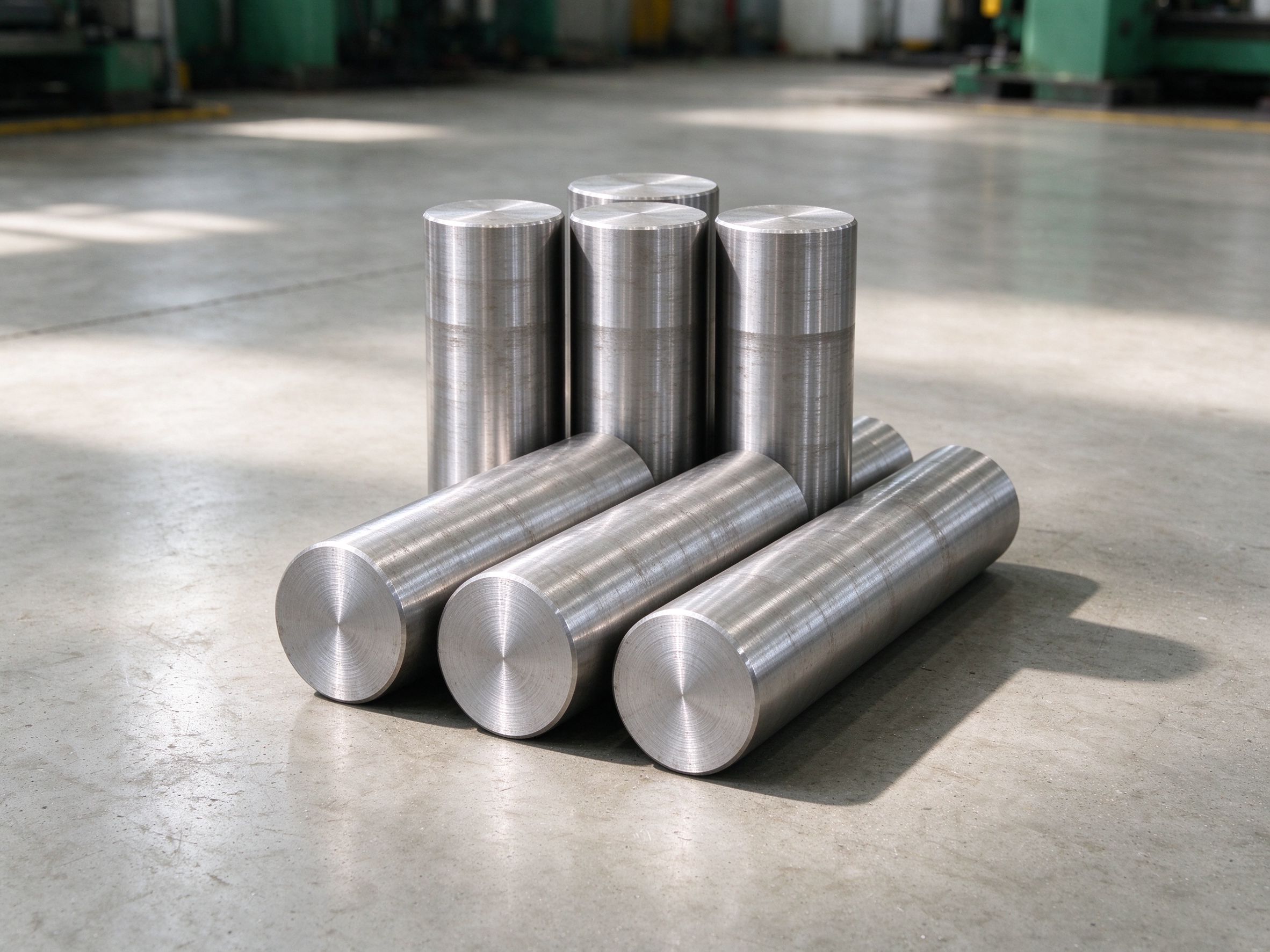
  • Bars
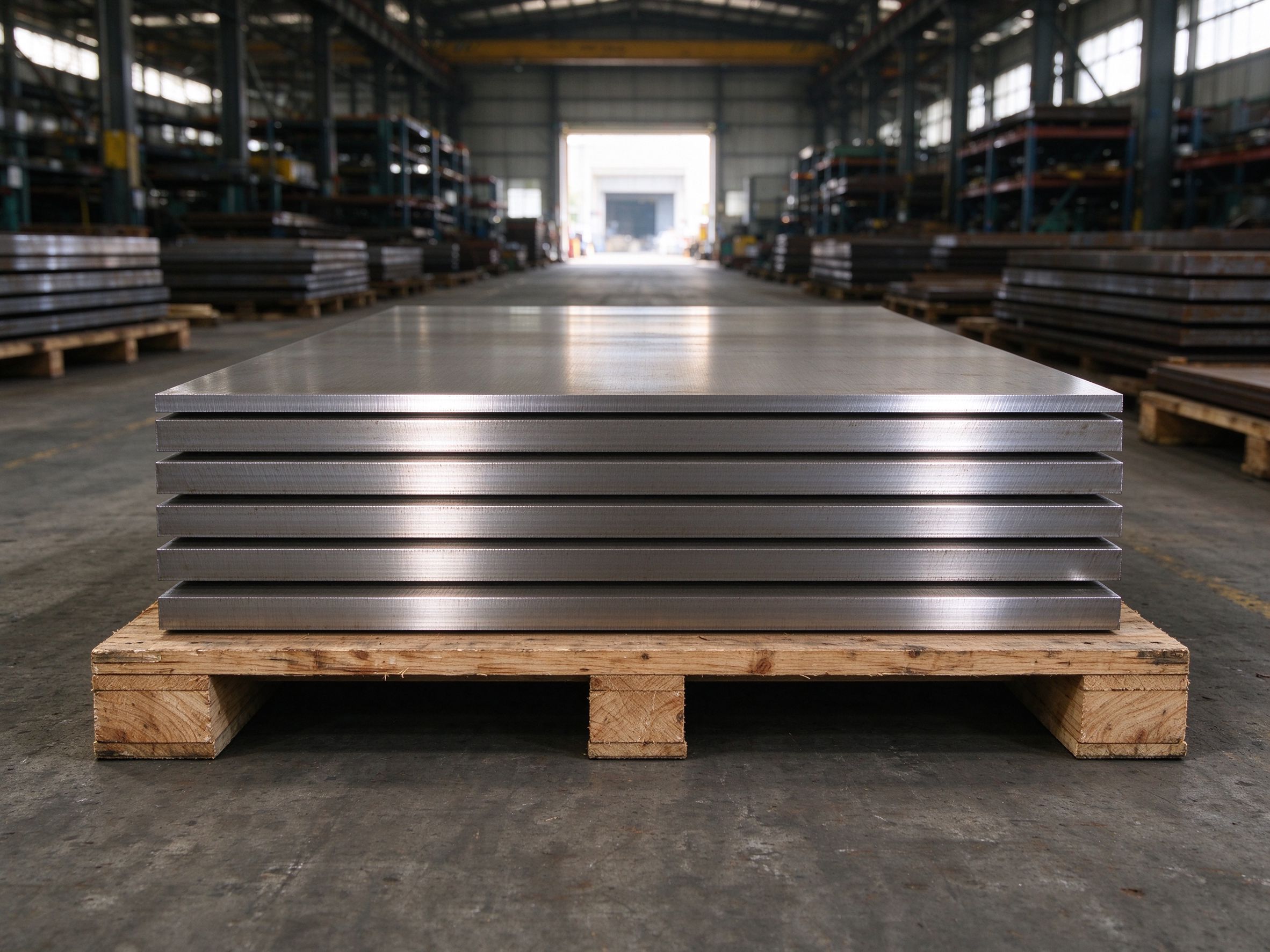
  • Plates
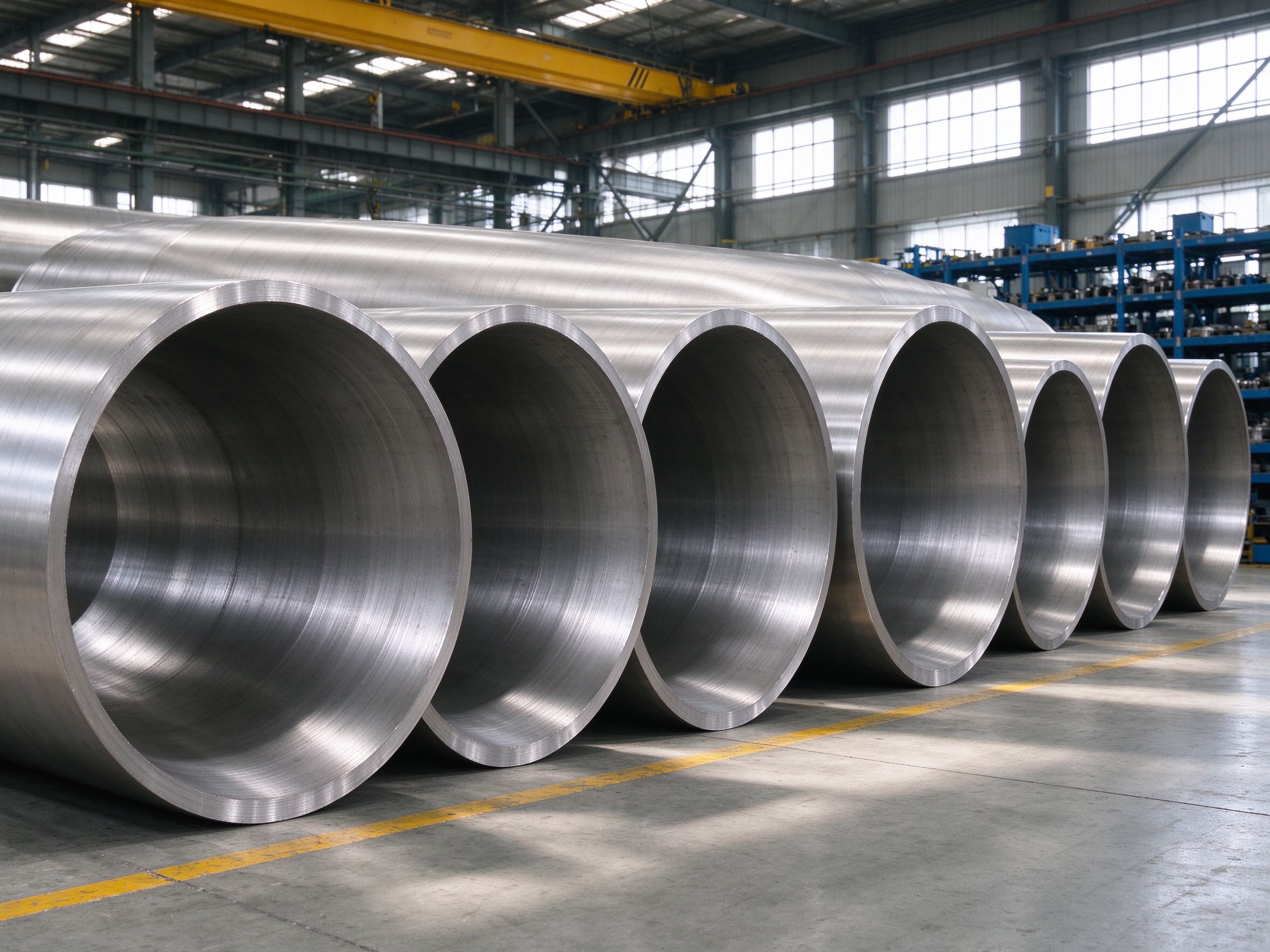
  • Tubes
  • Forgings
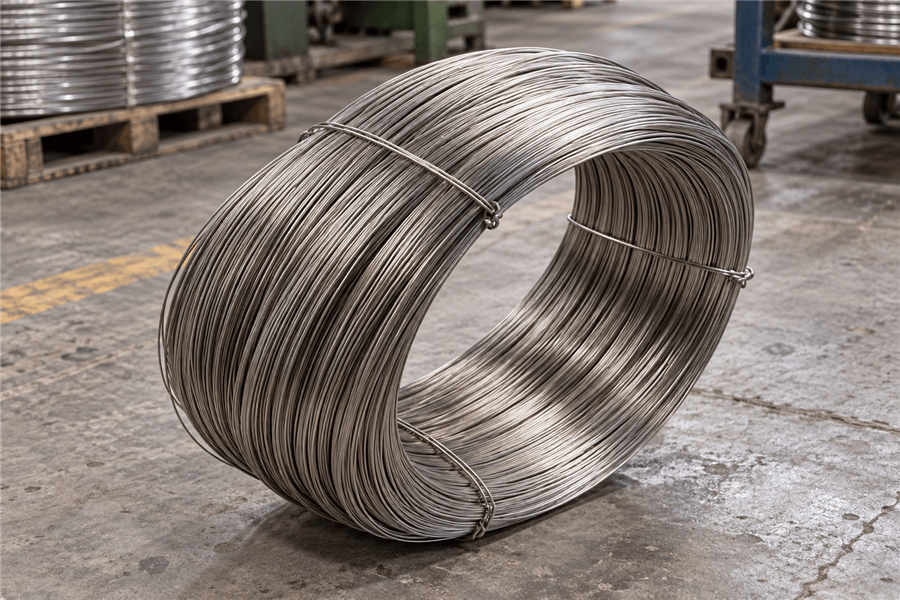
  • Wires
  • strips
  • Special Shapes

Inconel 625 (UNS N06625)

Inconel 625 (also specified as UNS N06625 / Werkstoff No. 2.4856 / NCF 625) is a nickel-chromium-molybdenum-niobium solid-solution strengthened superalloy. Its combination of high strength, excellent fabricability and outstanding corrosion resistance makes it one of the most widely used general-purpose advanced nickel alloys, with particular strength in chloride pitting / crevice corrosion resistance and cryogenic-to-moderately-high-temperature service.

Overview

  • Category: Ni-Cr-Mo-Nb solid-solution strengthened nickel alloy
  • Standards: ASTM B443, ASME SB-443, AMS 5666, AMS 5667, UNS N06625, DIN/EN 2.4856, JIS NCF 625
  • Available forms: Round bar / rod, plate, sheet, strip, pipe & tube, wire, forgings, and custom profiles to order

Chemical Composition (wt%)

ElementNiCrMoNb+TaFeCMnSiAlTiPS
Content ≥ 58.020.0–23.08.0–10.03.15–4.15 ≤ 5.0≤ 0.10≤ 0.50≤ 0.50 ≤ 0.40≤ 0.40≤ 0.015≤ 0.015

Physical Properties

PropertyTypical Value
Densityapprox. 8.44 g/cm³
Melting range1290–1350 °C
Thermal conductivity10.8–11.3 W/(m·K) (20–100 °C)
Coefficient of thermal expansion12.5 ×10-6 /°C (20–100 °C)
Magnetic propertiesNon-magnetic

Mechanical Properties (typical, solution-annealed)

PropertyMinimum Value
Tensile strength (Rm)≥ 830 MPa
Yield strength (Rp0.2)≥ 415 MPa
Elongation (A5)≥ 30 %
HardnessHB 217–248

Fabrication & Welding

  • Hot working: 1000–1230 °C; cool rapidly after hot working to preserve properties.
  • Cold working: Good cold-formability; readily cold-drawn and cold-rolled.
  • Welding: Excellent weldability by GTAW (TIG), GMAW (MIG), SMAW (MMA) and other conventional processes.

Heat Treatment

  • Solution treatment: Heat to 1093–1204 °C and cool rapidly, to obtain a uniform austenitic microstructure and maximise corrosion resistance and toughness.
  • Stress-relief annealing: Heat to 704–816 °C and air-cool, to relieve residual stresses introduced during fabrication.

Key Features

  • Excellent corrosion resistance in seawater, chemical process media, various acids and oxidising / reducing environments;
  • Good high-temperature strength and oxidation resistance, retaining strength and stability at elevated temperature;
  • Outstanding fatigue and creep-rupture performance;
  • Good formability and weldability.

Corrosion Resistance

  • Superior resistance to sulfuric, hydrochloric, nitric and phosphoric acids over a wide range of concentrations;
  • Strong resistance to pitting and crevice corrosion in marine and chloride-bearing environments;
  • Good resistance to stress-corrosion cracking and to reducing-acid service.

Typical Applications

  • Aerospace: engine components and airframe structural parts;
  • Marine engineering: piping, valves and connectors on offshore platforms;
  • Petrochemical: reaction vessels, heat exchangers and process piping systems;
  • Automotive: high-performance engine components;
  • Power generation: gas-turbine parts and nuclear-reactor internals.

For detailed datasheets, mill certificates (EN 10204 3.1) or inquiries on specific sizes and tolerances, please contact our sales & engineering team.
WhatsApp Chat WeChat Skype Email Us Alibaba Store
Call Get Quote
English English