
+86 138 5268 5691 13852685691@163.com
Reply within 12h·24/7 Multilingual Sales
English English
Precision Alloys

4J42

4J42 Alloy 42 (Fe-Ni Glass-Sealing & Lead-Frame Alloy)4J42 (also designated 4J342) is a Chinese Fe-42Ni controlled-expansion sealing alloy, corresponding to international Alloy 42 / Nilo 42 / AST

Back to All Products Precision Alloys

4J42

4J42 Alloy 42 (Fe-Ni Glass-Sealing & Lead-Frame Alloy)4J42 (also designated 4J342) is a Chinese Fe-42Ni controlled-expansion sealing alloy, corresponding to international Alloy 42 / Nilo 42 / AST

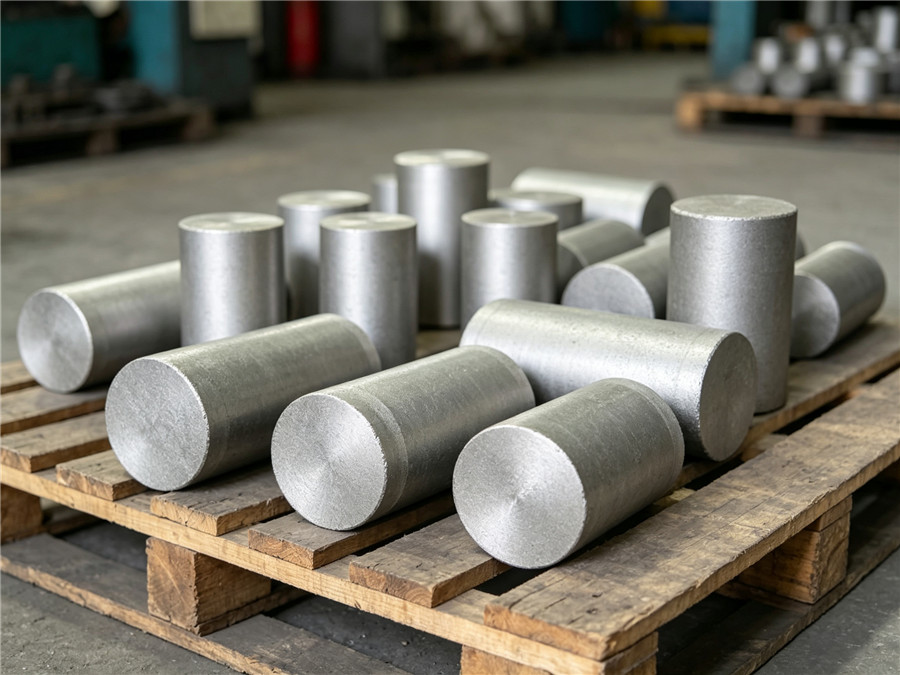
  • Bars
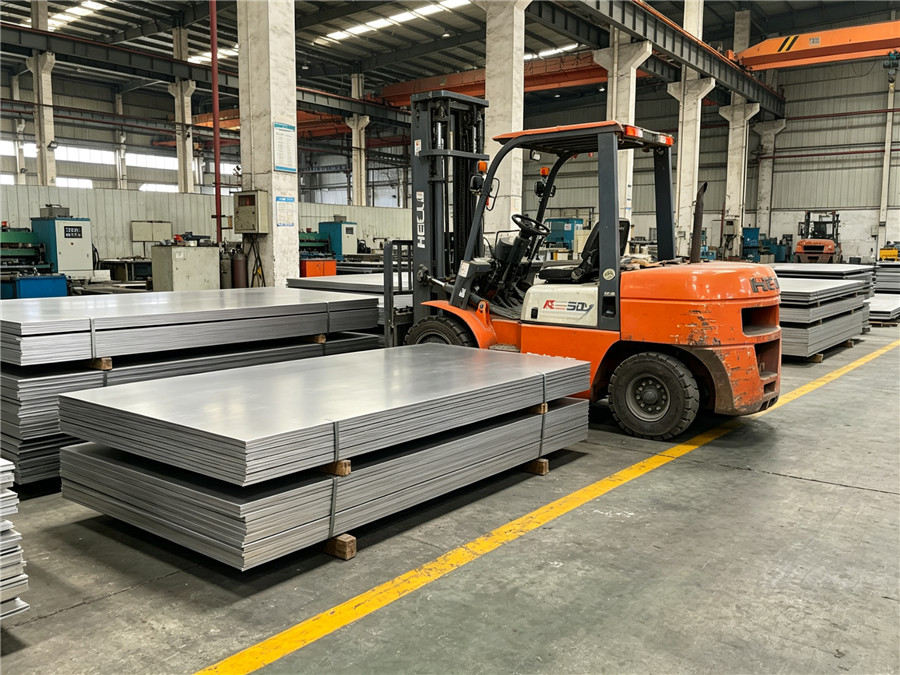
  • Plates
  • Tubes
  • Forgings
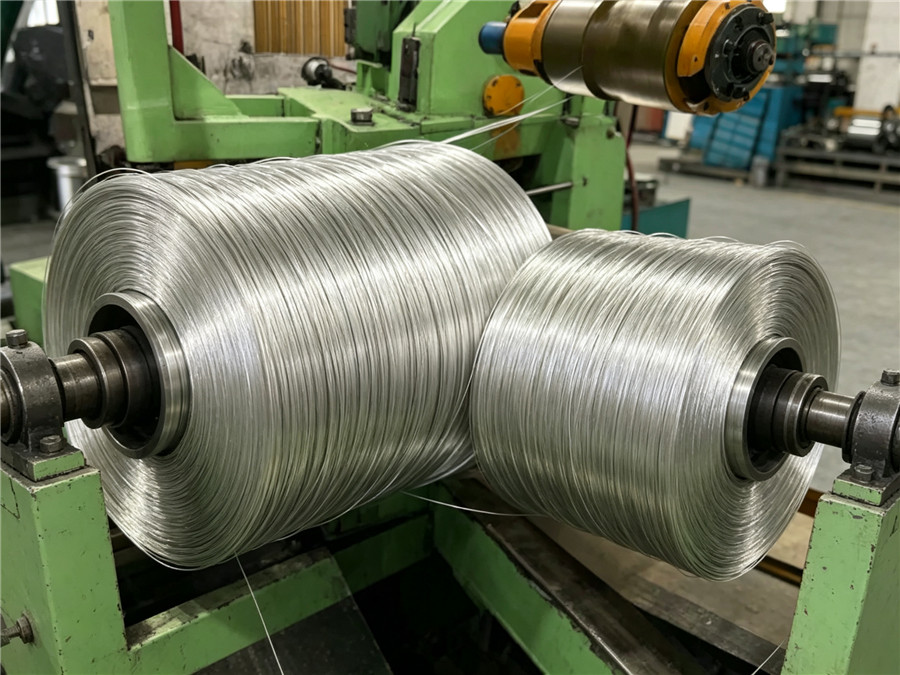
  • Wires
  • strips
  • Special Shapes

4J42 Alloy 42 (Fe-Ni Glass-Sealing & Lead-Frame Alloy)

4J42 (also designated 4J342) is a Chinese Fe-42Ni controlled-expansion sealing alloy, corresponding to international Alloy 42 / Nilo 42 / ASTM F30. Its coefficient of thermal expansion matches hard glass, soft glass and ceramics over a wide range, enabling reliable glass-to-metal seals. With no costly cobalt addition, it offers a cost-effective alternative to Kovar for semiconductor lead frames, electronic leads and sealed components.

Overview

  • Material: 4J42 (4J342) — Fe-42Ni controlled-expansion sealing alloy
  • International equivalents: Alloy 42 / Nilo 42 / ASTM F30 / UNS N14042
  • Available forms: Bar, tube, plate, strip and wire

Chemical Composition (wt%)

ElementNiFeCMnSiAlPS
Content 41.5–42.5Bal.≤ 0.05≤ 0.80≤ 0.30≤ 0.10≤ 0.020≤ 0.020

Physical Properties

PropertyTypical Value
Density8.12 g/cm³
Melting point1430 °C
Electrical resistivity0.61 μΩ·m
Curie point360 °C

Average coefficient of thermal expansion

Range (°C)CTE (×10-6/°C)Range (°C)CTE (×10-6/°C)
20–1005.620–4506.9
20–2004.920–5007.8
20–3004.820–6009.2
20–4005.9

Mechanical Properties

PropertySoft / annealedHard / cold-worked
Tensile strength< 590 MPa> 700 MPa
Elongationapprox. 20–30 %
Hardness120–180 HV
Elastic modulusapprox. 150–180 GPa

Key Features

  • Matching expansion: CTE matches hard glass, soft glass and ceramics for reliable hermetic seals — important in microelectronics packaging;
  • Good strength in the annealed condition, maintaining shape under mechanical stress;
  • Stable performance in high-temperature and corrosive environments (aerospace, chemical, energy);
  • Good electrical conductivity for lead / lead-frame applications;
  • Good workability, platability and weldability into complex shapes;
  • Cobalt-free — lower cost than Kovar-type alloys.

Fabrication & Heat Treatment

  • Forming: easy to cold and hot work into bar, tube, plate, strip and wire. Avoid excessive hot-working temperature / time and heating in sulfur-bearing atmospheres. Final cold reduction is typically around 60 % (above 75 % causes plastic anisotropy; 10–15 % reduction followed by 950–1050 °C causes excessive grain growth and can impair hermeticity of thin sections).
  • Welding: readily brazed and spot-welded. Pre-oxidation is required before sealing to soft glass.
  • Stress-relief annealing: 430–540 °C, hold 1–2 h, furnace or air cool.
  • Intermediate annealing: in vacuum or protective atmosphere, 700–800 °C for 30–60 min, then furnace cool, air cool or water quench.
  • Pre-oxidation (sealing): 1100 °C in wet hydrogen for 30 min, then oxidise in air at about 800 °C for 5–10 min; target weight gain 0.1–0.3 mg/cm².
  • Note: the alloy cannot be hardened by heat treatment.
  • Machining: similar to austenitic stainless steel; HSS or carbide tools, low cutting speed, coolant as required; good grindability.

Typical Applications

  • Electro-vacuum: seals to soft glass and ceramics; leads, frames and sealed plugs for electron tubes, transistors and integrated circuits;
  • Electronics: semiconductor lead frames;
  • Temperature control: bimetal thermostat strips and bars;
  • Aerospace: precision sensors and sealed components.

For detailed datasheets, mill certificates or inquiries on specific sizes and tolerances, please contact our sales & engineering team.
WhatsApp Chat WeChat Skype Email Us Alibaba Store
Call Get Quote
English English