
+86 138 5268 5691 13852685691@163.com
Reply within 12h·24/7 Multilingual Sales
English English
Precision Alloys

4J36 Invar 36

4J36 Invar 36 (Fe-Ni Low Expansion Alloy)4J36 (also designated 4J336) is a Chinese Fe-36Ni low-expansion alloy, the well-known Invar 36 (UNS K93600 / W.Nr. 1.3912). It has an ultra-low coefficien

Back to All Products Precision Alloys

4J36 Invar 36

4J36 Invar 36 (Fe-Ni Low Expansion Alloy)4J36 (also designated 4J336) is a Chinese Fe-36Ni low-expansion alloy, the well-known Invar 36 (UNS K93600 / W.Nr. 1.3912). It has an ultra-low coefficien

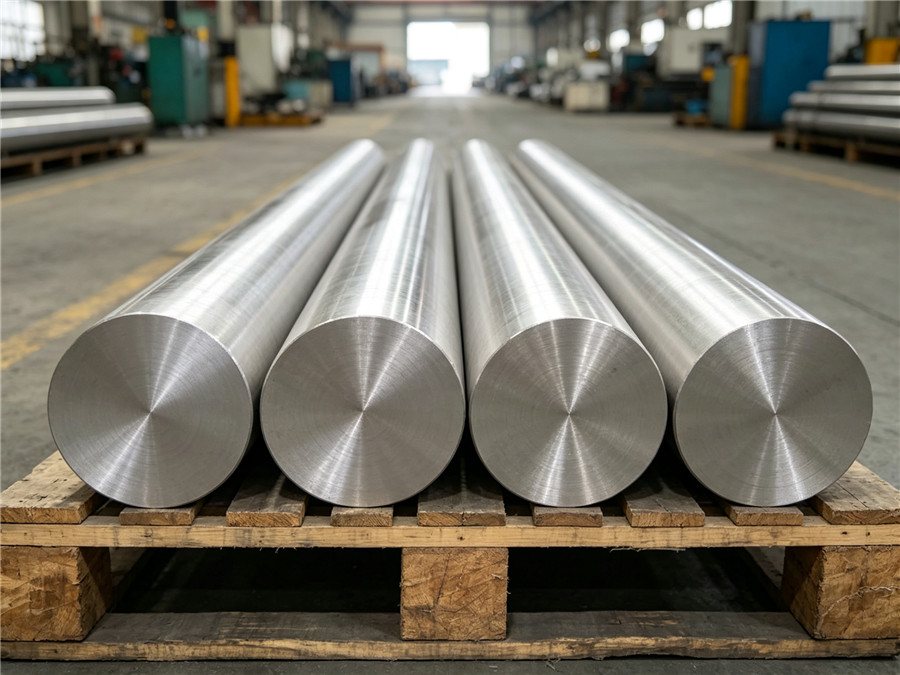
  • Bars
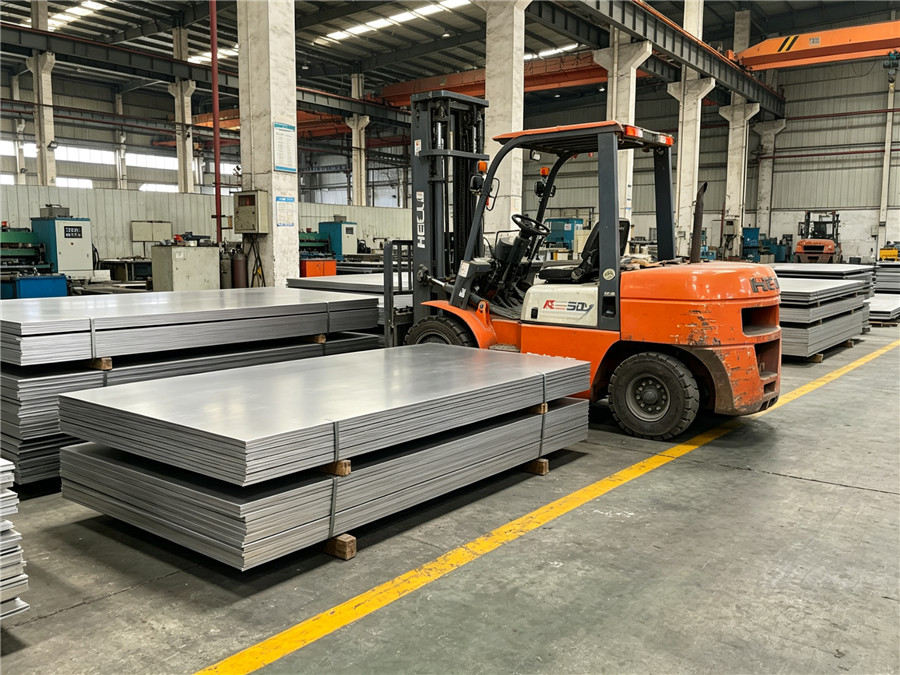
  • Plates
  • Tubes
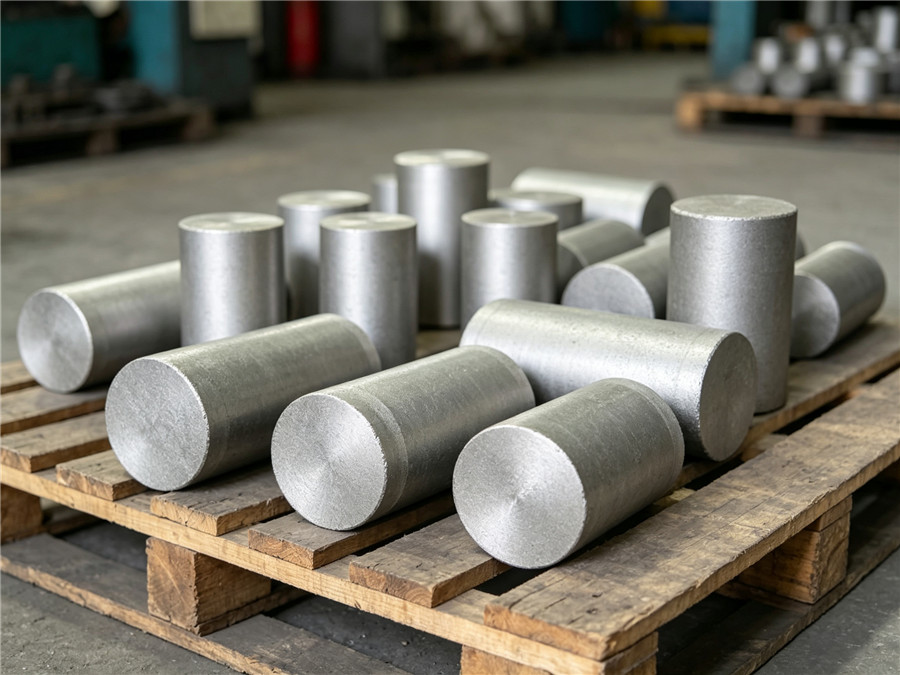
  • Forgings
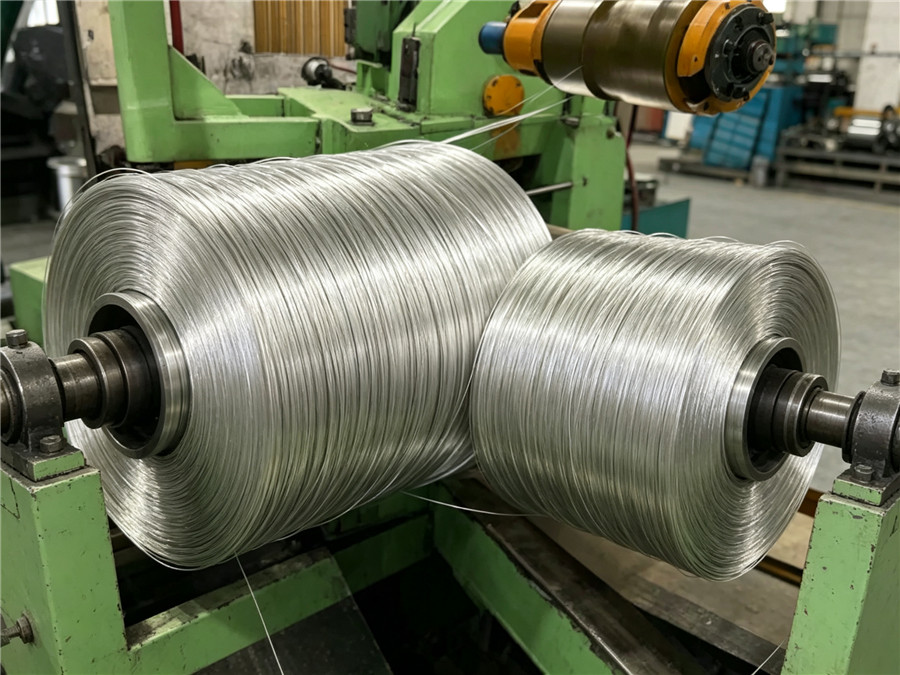
  • Wires
  • strips
  • Special Shapes

4J36 Invar 36 (Fe-Ni Low Expansion Alloy)

4J36 (also designated 4J336) is a Chinese Fe-36Ni low-expansion alloy, the well-known Invar 36 (UNS K93600 / W.Nr. 1.3912). It has an ultra-low coefficient of thermal expansion from about −250 °C to 200 °C, combined with good ductility, toughness and low-temperature mechanical properties, making it the standard material where dimensional stability against temperature change is critical.

Overview

  • Material: 4J36 (4J336) — Invar 36 (Fe-36Ni) low-expansion alloy
  • International equivalents: Invar 36 / Nilo 36 / UNS K93600 / W.Nr. 1.3912 / ASTM F1684
  • Available forms: Bar, plate, strip, sheet, wire, tube and forgings

Chemical Composition (wt%)

ElementNiFeCMnSiCoPS
Content 35.0–37.0Bal.≤ 0.030.3–0.6≤ 0.2≤ 0.5≤ 0.02≤ 0.01

Physical Properties

PropertyTypical Value
Density8.1 g/cm³
Melting point1430 °C
Curie temperature230 °C

Average coefficient of thermal expansion

Temperature rangeAverage CTE (×10-6/°C)
20–50 °C0.6
20–100 °C0.8
20–200 °C2.0
20–300 °C5.1
20–400 °C8.0
20–500 °C10.0

Mechanical Properties

PropertyTypical Value
Tensile strength490 MPa
Yield strength240 MPa
Elongation42 %
Brinell hardness≤ 200 HB

Key Features

  • Ultra-low expansion: dimensions barely change with temperature from −250 °C to 200 °C, meeting demanding precision requirements;
  • Good ductility and toughness, easy to form and resistant to brittle fracture;
  • Good strength and toughness retained at cryogenic temperatures;
  • Good corrosion resistance in room-temperature dry air.

Fabrication & Heat Treatment

  • Melting: Vacuum induction melting (VIM) for uniform composition and low impurities.
  • Forming: rolled, forged and drawn into bar, plate, strip, wire and tube.
  • Stress-relief annealing: 530–550 °C, hold 1–2 h, furnace cool.
  • Intermediate annealing: 830–880 °C, hold 30 min, furnace cool or air cool.
  • Stabilising treatment: quench from 830 °C (hold 20 min–1 h in protective atmosphere); then heat to 315 °C for 1–4 h and furnace cool; finally hold at 95 °C for 48 h. For precision parts after cold or machining: stress-relief stabilising at 315–370 °C for 1–4 h.
  • Surface preparation: sand blasting, polishing or pickling; oxide scale can be removed in 25 % HCl solution at 70 °C.
  • Machining: similar to austenitic stainless steel; HSS or carbide tools, low cutting speed, coolant as required; good grindability.

Typical Applications

  • Liquefied-gas production, storage and transport equipment — the low expansion prevents leaks caused by temperature change;
  • Measurement and control instruments operating below 200 °C, ensuring accuracy and stability across temperatures;
  • Temperature-regulating devices;
  • Threaded connection bushings between metal and other materials, preventing loosening from differential thermal expansion;
  • Components of bimetal and thermal bimetal temperature-control elements;
  • Tempering dies for CRP (continuous-reinforced / composite) components in aviation;
  • Satellite and missile electronic-control-unit frames below −200 °C, maintaining dimensional stability in cryogenic service;
  • Auxiliary electron tubes in electromagnetic lenses of laser-control devices.

For detailed datasheets, mill certificates or inquiries on specific sizes and tolerances, please contact our sales & engineering team.
WhatsApp Chat WeChat Skype Email Us Alibaba Store
Call Get Quote
English English