
+86 138 5268 5691 13852685691@163.com
Reply within 12h·24/7 Multilingual Sales
English English
Precision Alloys

4J50 (4J350)

4J50 (4J350) Fe-Ni Soft Magnetic & Glass-Sealing Alloy4J50 (also designated 4J350) is an iron-nickel soft-magnetic and controlled-expansion alloy with about 50 % Ni. It combines high magnetic per

Back to All Products Precision Alloys

4J50 (4J350)

4J50 (4J350) Fe-Ni Soft Magnetic & Glass-Sealing Alloy4J50 (also designated 4J350) is an iron-nickel soft-magnetic and controlled-expansion alloy with about 50 % Ni. It combines high magnetic per

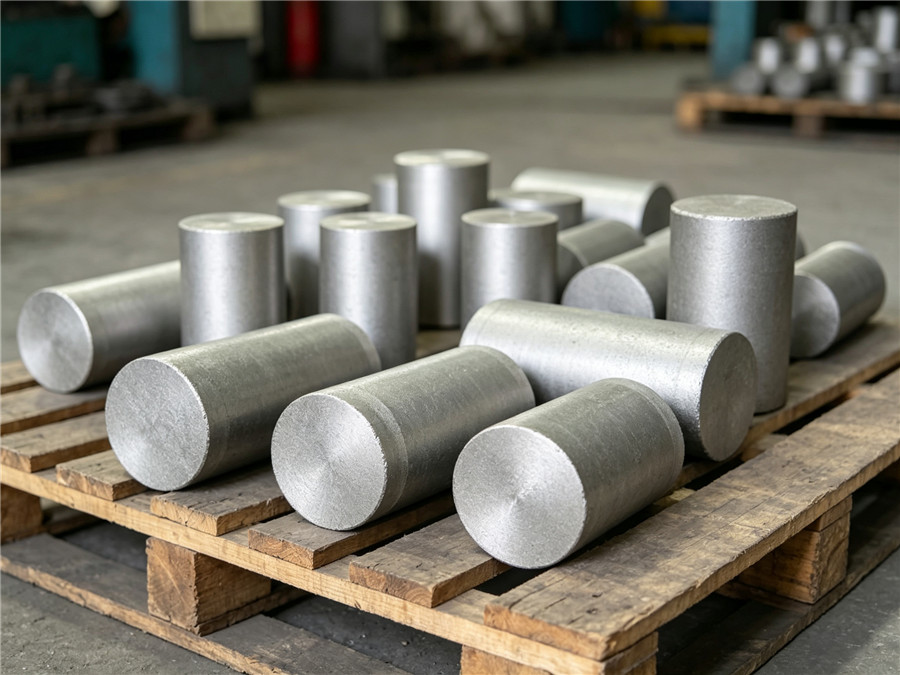
  • Bars
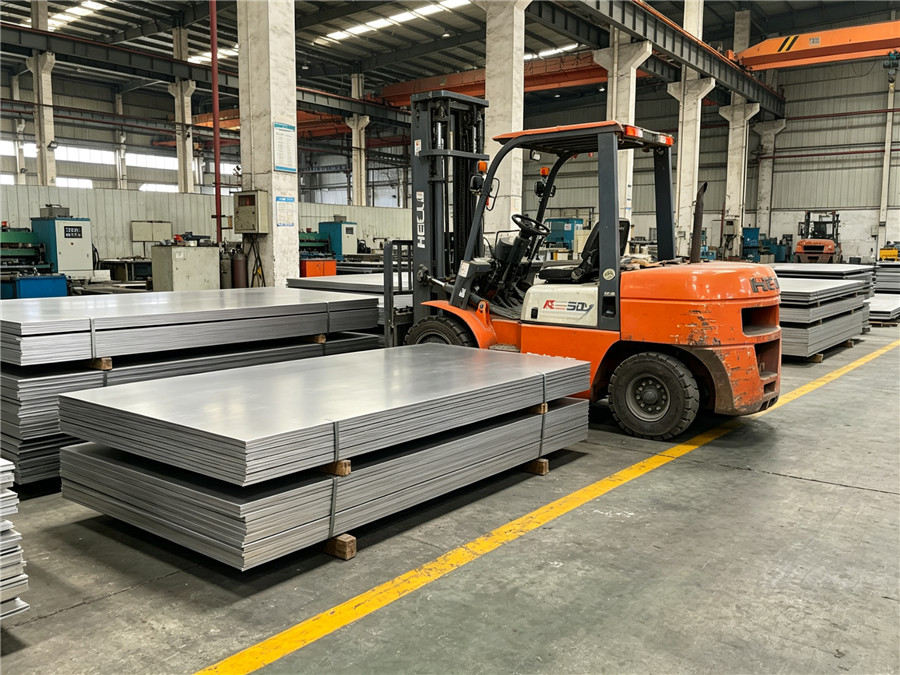
  • Plates
  • Tubes
  • Forgings
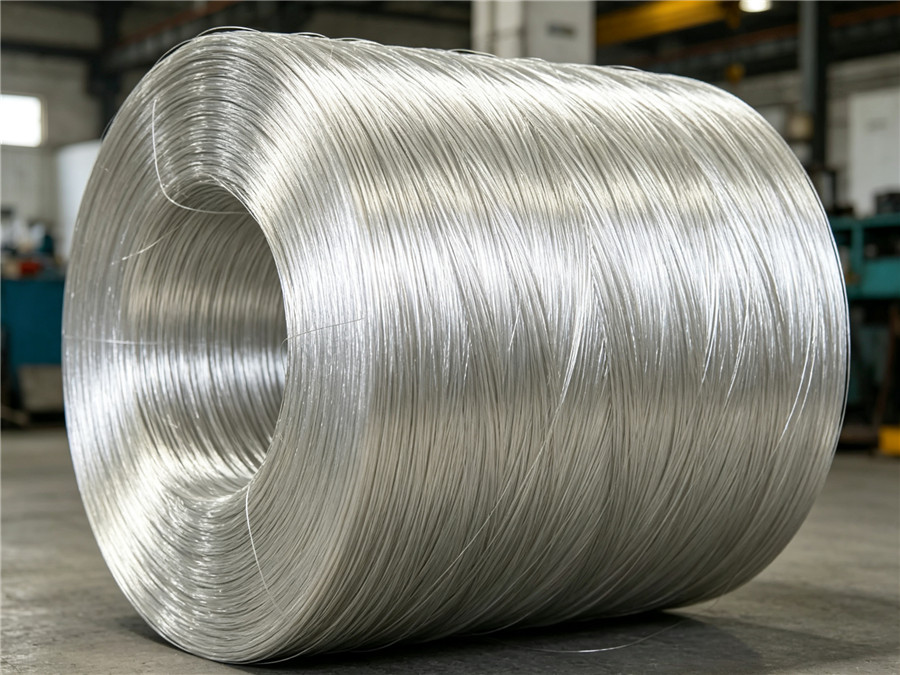
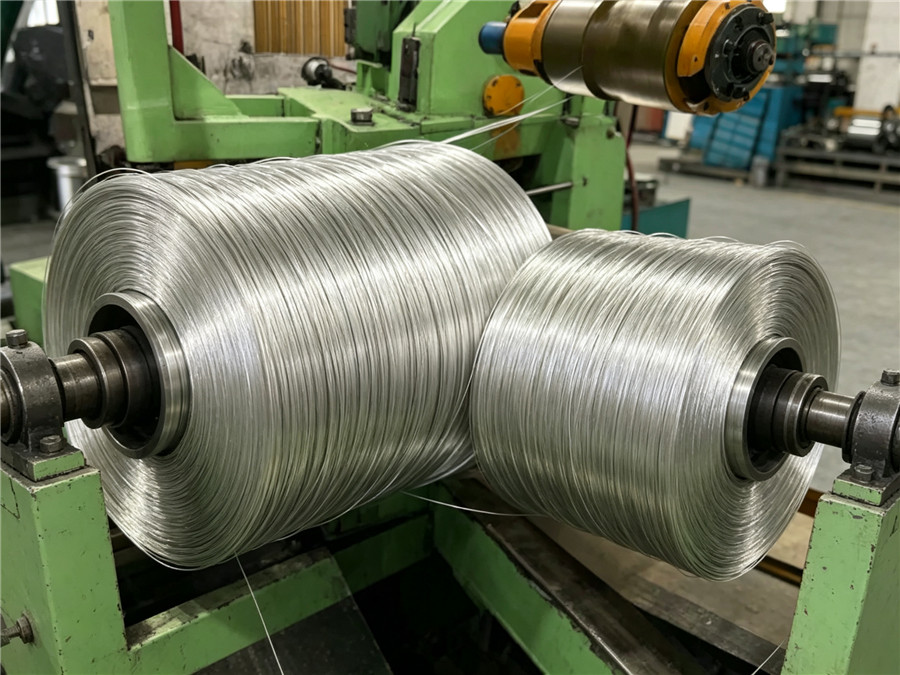
  • Wires
  • strips
  • Special Shapes

4J50 (4J350) Fe-Ni Soft Magnetic & Glass-Sealing Alloy

4J50 (also designated 4J350) is an iron-nickel soft-magnetic and controlled-expansion alloy with about 50 % Ni. It combines high magnetic permeability, low coercivity, good dimensional stability and a coefficient of thermal expansion matched to soft glass and ceramics, making it widely used for glass-to-metal seals, electro-vacuum components, magnetic shielding and precision instrumentation.

Overview

  • Material: 4J50 (4J350) — Fe-Ni soft-magnetic / glass-sealing alloy
  • English equivalent: FeNi50 / Alloy 50 type soft-magnetic alloy
  • Available forms: Bar, tube, plate, strip, wire and forgings

Chemical Composition (wt%)

ElementNiCoFeCMnSiAlPS
Content 49.5–50.5~1.0Bal.≤ 0.05≤ 0.80≤ 0.30≤ 0.10≤ 0.020≤ 0.020

Physical Properties

PropertyTypical Value
Density8.21 g/cm³
Melting point1430 °C
Coefficient of thermal expansion (20–300 °C)7.7–8.4 ×10⁻⁶ /°C
Coefficient of thermal expansion (20–400 °C)8.1–8.8 ×10⁻⁶ /°C
Thermal conductivity / resistivity / Curie pointReference values vary slightly with exact composition; see datasheet

Mechanical Properties

ConditionTensile strength
Soft / annealed< 590 MPa
Hard / cold-worked> 700 MPa

Elongation and Vickers hardness depend on the temper; see the datasheet.

Key Features

  • Matching expansion: CTE closely matches soft glass and ceramics over the working range, enabling reliable hermetic seals;
  • Good cold and hot workability into various shapes and sizes;
  • Good weldability by brazing and spot welding;
  • Stable austenitic microstructure with consistent properties;
  • Good corrosion resistance in a range of environments;
  • Magnetic properties: high initial permeability (up to several thousand), little permeability change with temperature, and retained good permeability at low temperature — useful for reducing coil size and improving circuit efficiency.

Fabrication & Heat Treatment

  • Forming: Easy to cold and hot work into bar, tube, plate, strip and wire. Avoid excessive hot-working temperature / time and heating in sulfur-bearing atmospheres. Final cold reduction is typically around 60 % (reduction above 75 % causes plastic anisotropy after annealing; 10–15 % reduction followed by 950–1050 °C causes excessive grain growth and can impair hermeticity of thin sections).
  • Welding: Readily brazed and spot-welded. A pre-oxidation treatment is required before sealing to soft glass.
  • Stress-relief annealing: 430–540 °C, hold 1–2 h, furnace or air cool.
  • Intermediate annealing: In vacuum or protective atmosphere, 700–800 °C for 30–60 min, then furnace cool, air cool or water quench.
  • Pre-oxidation (sealing): hold at 1100 °C in wet hydrogen for 30 min, then oxidise in air at about 800 °C for 5–10 min; target weight gain 0.1–0.3 mg/cm².
  • Note: The alloy cannot be hardened by heat treatment.
  • Machining: Similar to austenitic stainless steel; use high-speed steel or carbide tools, low cutting speed, coolant as required; good grindability.

Typical Applications

  • Electro-vacuum industry: sealing structures, precision impedance diaphragms, wet / dry reed relays, precision length measurement, seals to corresponding soft glasses;
  • Aerospace: high-precision instruments such as satellites, navigators and gyroscopes;
  • Electronics: transformer and inductor cores; RF cavities, microwave tubes and other vacuum-electronic devices joining metal to glass or ceramic;
  • Precision instruments: measuring equipment requiring precise thermal-expansion control (optical instruments, precision scales);
  • Power: electrical equipment such as generators and motors;
  • Telecom: magnetic rings and cores for signal and data-processing equipment.

For detailed datasheets, mill certificates or inquiries on specific sizes and tolerances, please contact our sales & engineering team.
WhatsApp Chat WeChat Skype Email Us Alibaba Store
Call Get Quote
English English