
+86 138 5268 5691 13852685691@163.com
Reply within 12h·24/7 Multilingual Sales
English English
Precision Alloys

5J11 Thermostatic Bimetal

5J11 Thermostatic Bimetal (Thermal Bimetal Strip)5J11 is a Chinese thermostatic bimetal material consisting of a high-expansion layer of Mn75Ni15Cu10 bonded to a low-expansion layer of Ni36 (Inva

Back to All Products Precision Alloys

5J11 Thermostatic Bimetal

5J11 Thermostatic Bimetal (Thermal Bimetal Strip)5J11 is a Chinese thermostatic bimetal material consisting of a high-expansion layer of Mn75Ni15Cu10 bonded to a low-expansion layer of Ni36 (Inva

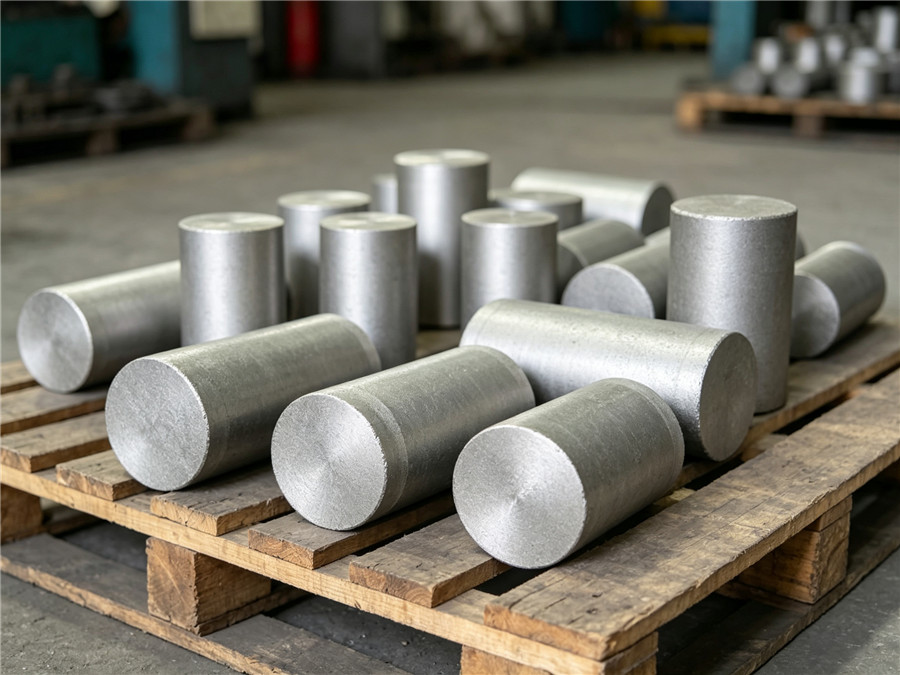
  • Bars
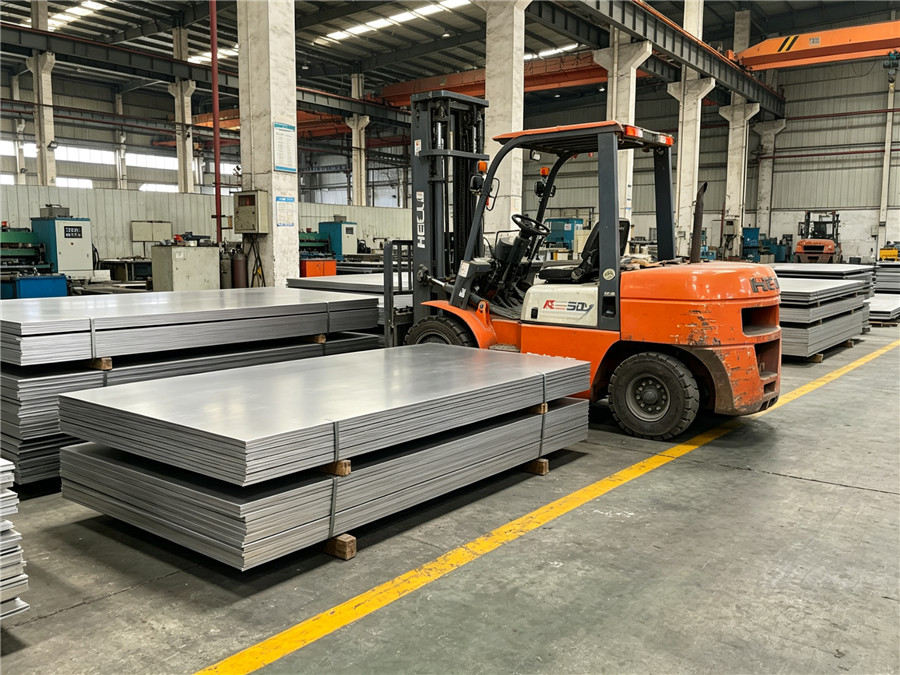
  • Plates
  • Tubes
  • Forgings
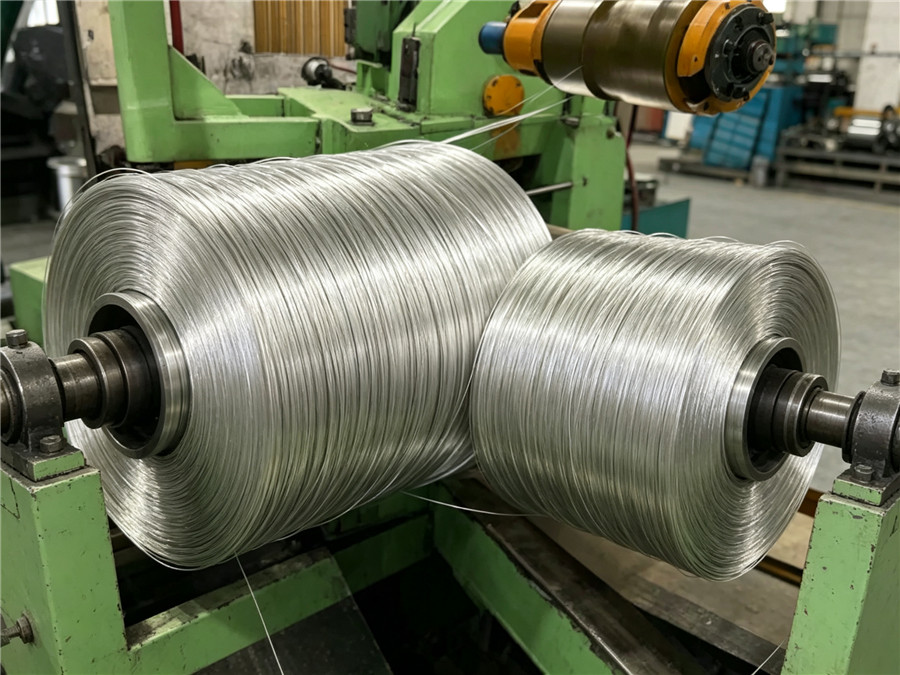
  • Wires
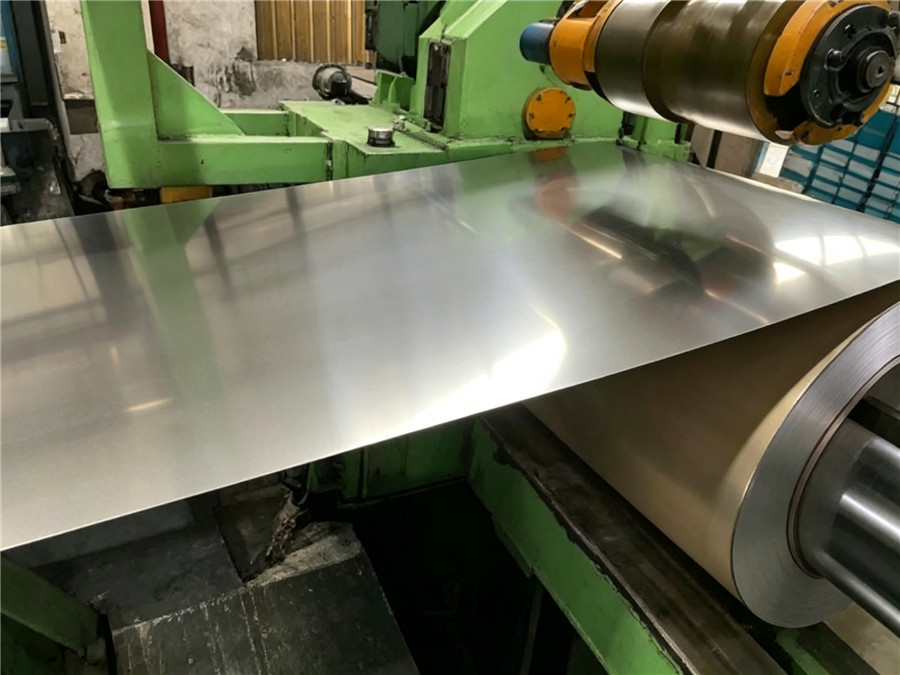
  • strips
  • Special Shapes

5J11 Thermostatic Bimetal (Thermal Bimetal Strip)

5J11 is a Chinese thermostatic bimetal material consisting of a high-expansion layer of Mn75Ni15Cu10 bonded to a low-expansion layer of Ni36 (Invar 36). When the temperature changes, the two layers expand at different rates and the strip deflects, converting temperature change into mechanical movement — the working principle of temperature relays, thermal protection switches and simple temperature-control devices.

Overview

  • Category: Thermostatic bimetal (thermal bimetal) material
  • Construction: high-expansion layer Mn75Ni15Cu10 + low-expansion layer Ni36
  • Appearance: metallic luster, supplied as strip or sheet
  • Available forms: strip, sheet; processed into shaped elements by stamping, bending and cutting

Physical & Thermal Properties

PropertyTypical Value
Density8.1 g/cm³
Specific curvature (room temperature to 150 °C)(13.2–15.5) ×10-6 /°C
Linear temperature range-20 °C to 180 °C
Permissible service temperature range-70 °C to 450 °C

Mechanical Properties

PropertyTypical Value
Modulus of elasticity≥ 16000 MPa
Yield strength302 MPa
Tensile strength470 MPa
Elongation after fracture25 %

Electrical Properties

PropertyTypical Value
Electrical resistivity1.1 μΩ·cm

Key Features

  • Medium thermal sensitivity — produces reliable bending deflection with temperature change for temperature sensing and control;
  • Good low-temperature stability, maintaining consistent performance over a wide temperature range;
  • Adequate strength and good elasticity for easy fabrication and service.

Fabrication

  • Composite sheet is produced by cold-rolled bonding, hot-rolled bonding or molten bonding of the two layers;
  • Shaped elements can be made by stamping, bending and cutting.

Typical Applications

  • Ordinary temperature relays — temperature control and circuit make / break;
  • Thermal protection switches — protecting electrical appliances against overload or overheating;
  • Simple temperature-adjusting devices, such as temperature-control components of small heating equipment.

For detailed datasheets, mill certificates or inquiries on specific sizes and tolerances, please contact our sales & engineering team.
WhatsApp Chat WeChat Skype Email Us Alibaba Store
Call Get Quote
English English