
+86 138 5268 5691 13852685691@163.com
Reply within 12h·24/7 Multilingual Sales
English English
Incoloy Alloy

Incoloy Alloy 20

Incoloy Alloy 20 (UNS N08020)Incoloy Alloy 20 (also specified as UNS N08020 / Alloy 20 / N08020) is an austenitic nickel-iron-chromium alloy with additions of molybdenum and copper. It was origin

Back to All Products Incoloy Alloy

Incoloy Alloy 20

Incoloy Alloy 20 (UNS N08020)Incoloy Alloy 20 (also specified as UNS N08020 / Alloy 20 / N08020) is an austenitic nickel-iron-chromium alloy with additions of molybdenum and copper. It was origin

  • Bars
  • Plates
  • Tubes
  • Forgings
  • Wires
  • strips
  • Special Shapes

Incoloy Alloy 20 (UNS N08020)

Incoloy Alloy 20 (also specified as UNS N08020 / Alloy 20 / N08020) is an austenitic nickel-iron-chromium alloy with additions of molybdenum and copper. It was originally developed for use in sulfuric-acid service and offers excellent general corrosion resistance, outstanding resistance to stress-corrosion cracking, and good pitting / crevice-corrosion resistance in chloride-bearing environments. It is widely regarded as a workhorse alloy for corrosive chemical processing.

Overview

  • Category: Austenitic Ni-Fe-Cr corrosion-resistant alloy (often grouped with the Incoloy / Alloy 20 family)
  • Standards: ASTM B463, B729, B751, B775, B829; ASME SB-463, SB-729, SB-751, SB-775, SB-829; AMS 5582; UNS N08020
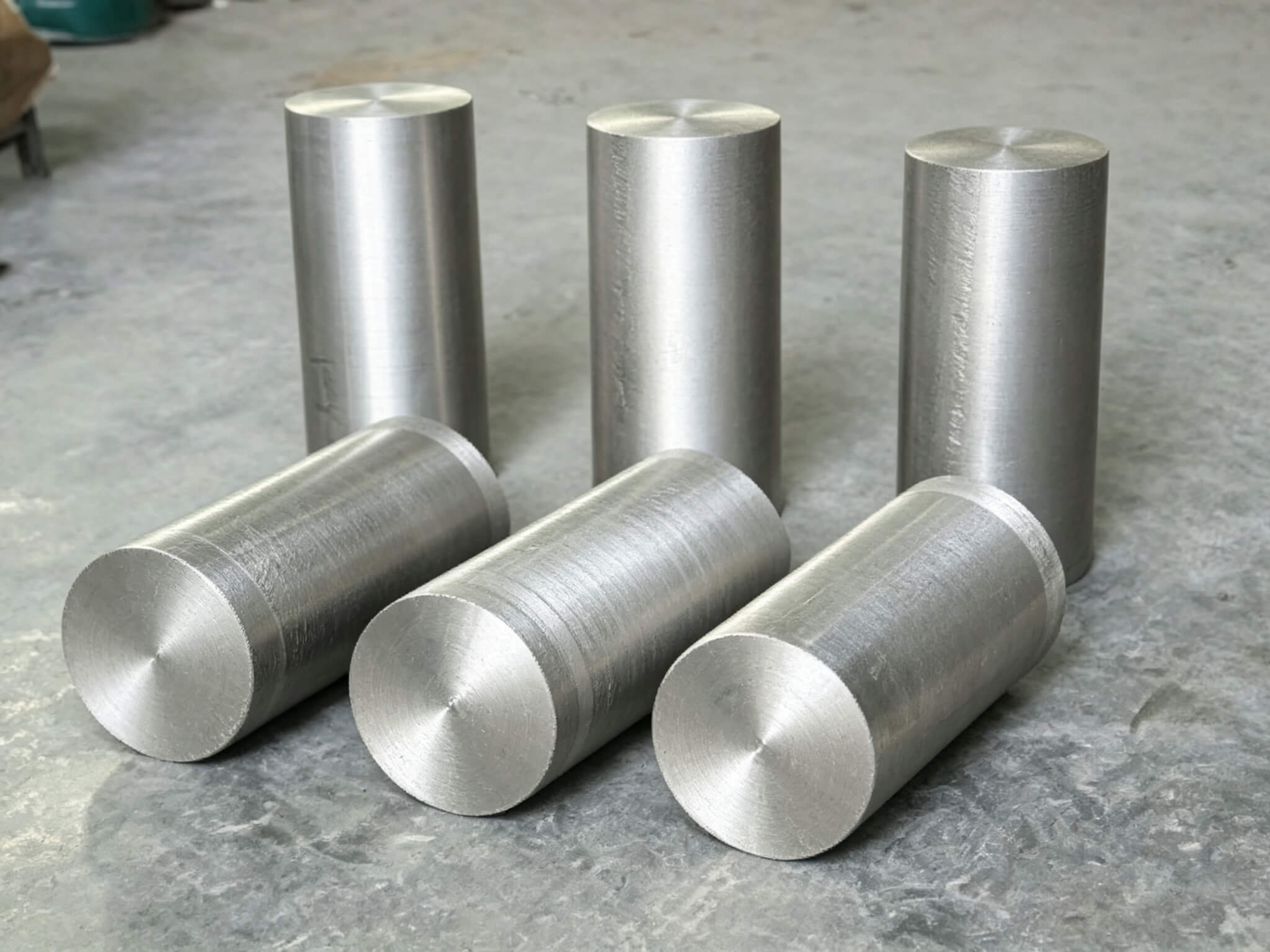
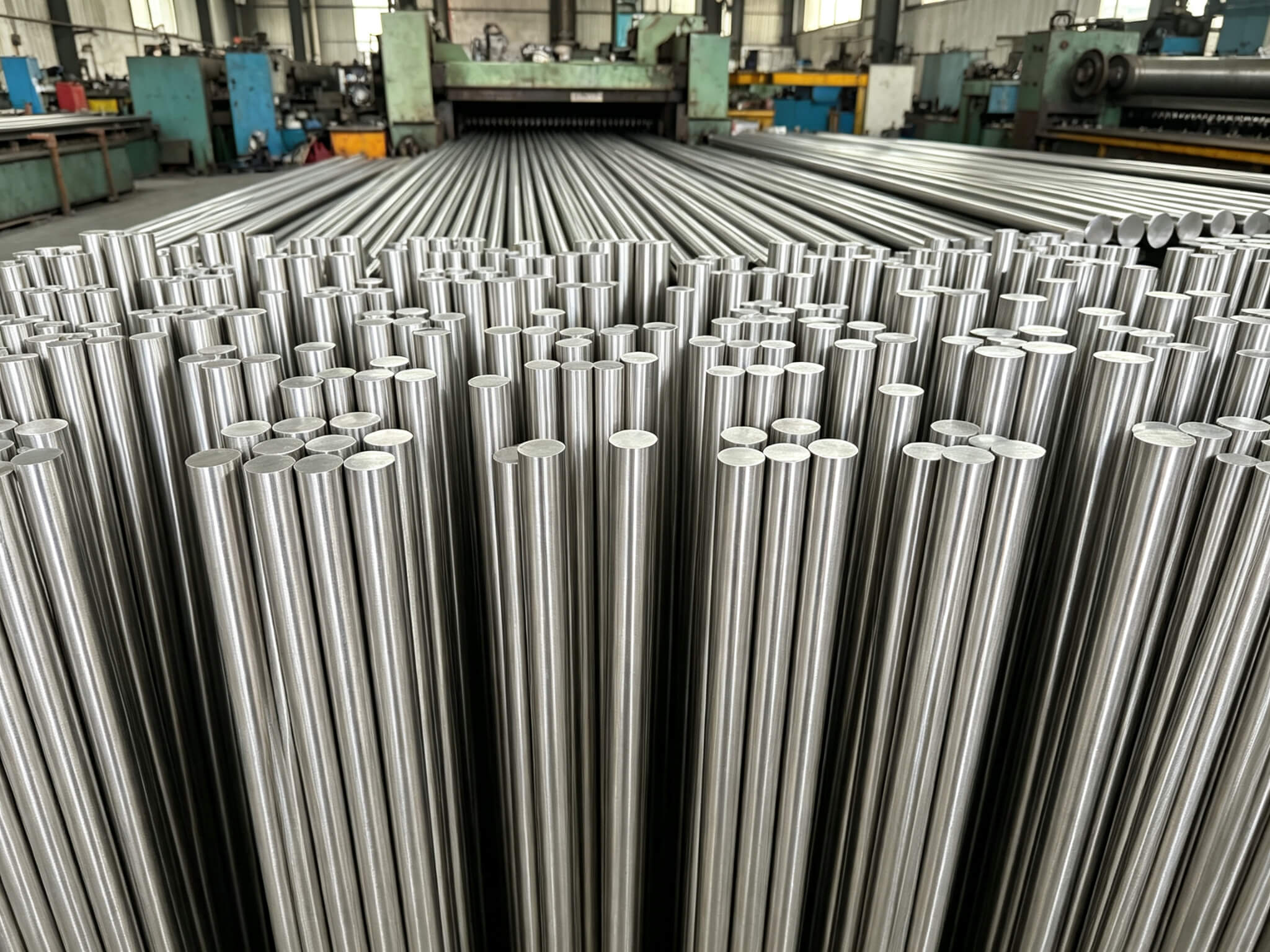
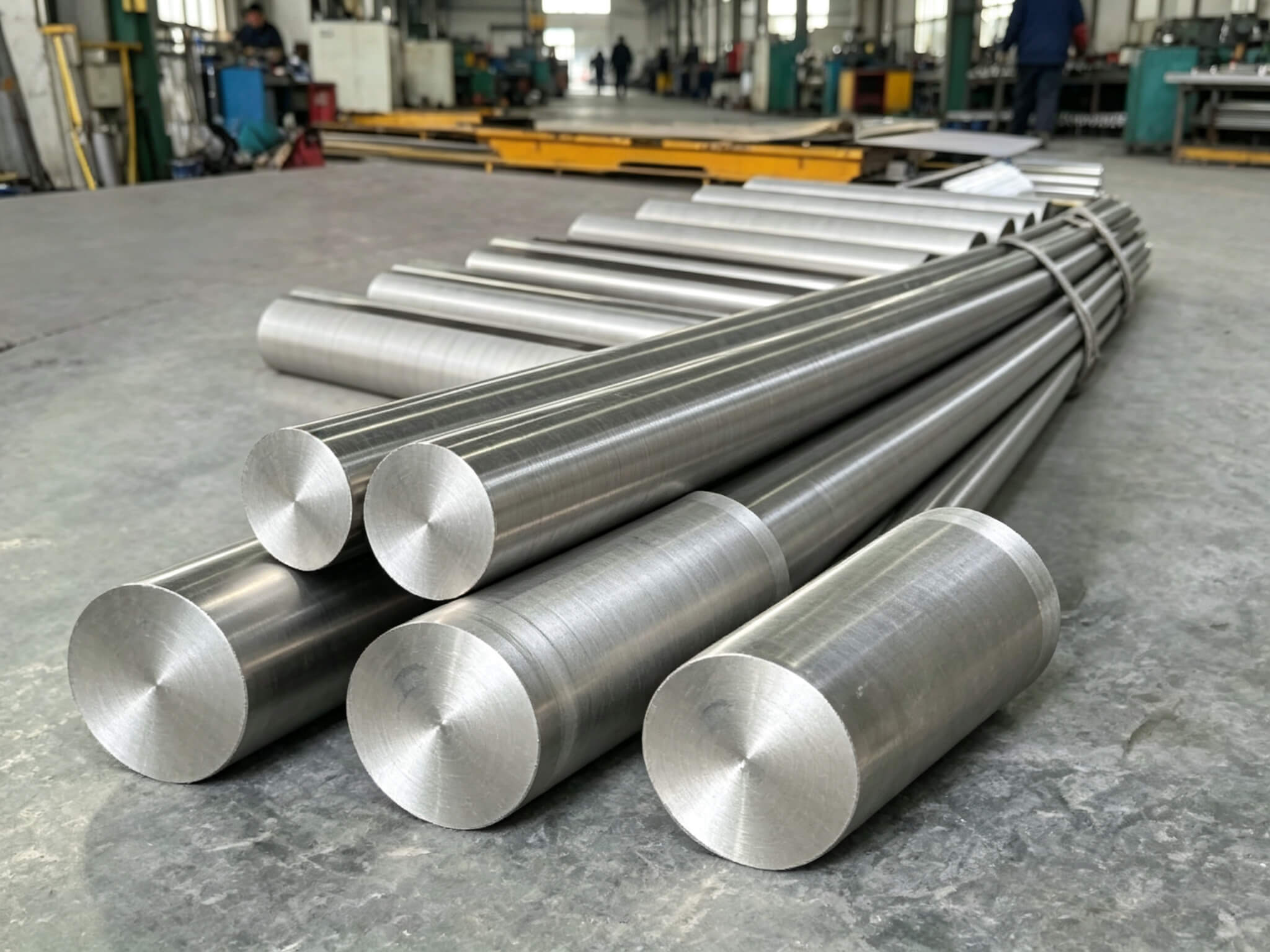
  • Available forms: Round bar / rod, plate, sheet, pipe & tube, wire, forgings, and custom profiles to order

Chemical Composition (wt%)

ElementNiCrFeMoCuCMnSiPS
Content 32.0–38.019.0–21.0Bal.2.0–3.03.0–4.0 ≤ 0.07≤ 2.0≤ 1.0≤ 0.045≤ 0.035

Physical Properties

PropertyTypical Value
Densityapprox. 8.0 g/cm³
Melting range1370–1400 °C
Thermal conductivity15.1 W/(m·K) (at 100 °C)
Coefficient of thermal expansion16.0 ×10-6 /°C (20–100 °C)
Magnetic propertiesNon-magnetic

Mechanical Properties (typical, solution-annealed)

PropertyMinimum Value
Tensile strength (Rm)≥ 550 MPa
Yield strength (Rp0.2)≥ 240 MPa
Elongation (A5)≥ 30 %
HardnessHB ≤ 187

Reasonable strength and toughness are retained at moderately elevated temperatures.

Fabrication & Welding

  • Hot working: 1050–1200 °C with uniform heating; air cool or water cool after working.
  • Cold working: Good cold-formability (cold rolling, cold drawing, stamping), with a moderate work-hardening rate.
  • Welding: Good weldability by GTAW (TIG), electron-beam welding, resistance welding and other conventional processes. No preheat is required, and post-weld heat treatment is generally unnecessary.

Heat Treatment

  • Solution treatment: Heat to 1038–1107 °C and cool rapidly, to fully dissolve alloying elements into the matrix and maximise corrosion resistance and toughness.
  • Stress-relief annealing: Heat to 704–816 °C and air-cool, to relieve residual fabrication stresses.

Key Features

  • Good corrosion resistance in sulfuric, phosphoric and nitric acid service;
  • Excellent resistance to chloride stress-corrosion cracking;
  • Good pitting and crevice-corrosion resistance;
  • Reasonable high-temperature strength and oxidation resistance;
  • Good fabricability into a wide variety of components.

Corrosion Resistance

  • Resists a wide range of inorganic and organic acids, particularly sulfuric acid;
  • Strong pitting and crevice-corrosion resistance in chloride-bearing solutions;
  • Stable performance in both reducing and oxidising environments.

Typical Applications

  • Chemical industry: reaction vessels, heat exchangers, piping and valves handling corrosive chemicals;
  • Petrochemical: refinery and chemical plant equipment such as distillation and absorption towers;
  • Food processing: corrosion-resistant, non-toxic food-processing equipment;
  • Pharmaceutical: equipment and piping that must prevent product contamination.

For detailed datasheets, mill certificates (EN 10204 3.1) or inquiries on specific sizes and tolerances, please contact our sales & engineering team.
WhatsApp Chat WeChat Skype Email Us Alibaba Store
Call Get Quote
English English